Home › Nebraska › Hunting units › Elk units › Elk Unit 11
Elk unit, 2026-27
Nebraska Elk Unit 11
Counties, dates, legal light and public acres for elk unit 11, a elk unit that touches Banner, Cheyenne, Deuel and Garden, plus 1 more counties on the NGPC map.
Updated November 25, 2026 · Source: Nebraska Game and Parks Commission
Grassy rolling hills and a gravel road at Wrights Gap, Banner County, Nebraska, scenery only, which does not mark any unit line
Photo: Ammodramus (CC0 1.0)
Unit overview
Elk unit 11 appears on the NGPC elk layer as its own area, one of 16, and the overlay with county lines gives 5 counties. By the overlay, 1 county sits entirely under the unit and 4 are split with other lines. The 2026-27 data lists 6 season rows for it, from August 1, 2026 to January 31, 2027.
Sources: NGPC unit map layer; NGPC season news release; read November 24, 2026.
County by county
Use the rows to jump to a county page, where every other unit touching that county is listed as well.
| County | In the unit | Clock | County seat |
|---|---|---|---|
| Banner County | Part | MT | Harrisburg |
| Cheyenne County | Part | MT | Sidney |
| Deuel County | Part | MT | Chappell |
| Garden County | Part | MT | Oshkosh |
| Kimball County | Whole | MT | Kimball |
Counties here are a pointer, and the unit boundary on the NGPC map is the rule.
Sources: NGPC unit map layer; read November 24, 2026. The county list comes from laying the NGPC unit layer over the Census county polygons.
Dates for elk unit 11
Every window the data lists for elk in elk unit 11 has its own line, including the late ones that run into 2027. The first window opens August 1, 2026, and the last one closes January 31, 2027.
| Game | Season | Opens | Closes | Paperwork |
|---|---|---|---|---|
| Elk | Antlerless | Aug. 1, 2026 | Jan. 31, 2027 | Elk permit |
| Elk | Antlerless, private | Aug. 1, 2026 | Sept. 20, 2026 | Elk permit |
| Elk | Early antlerless | Aug. 1, 2026 | Oct. 31, 2026 | Elk permit |
| Elk | Archery bull | Sept. 1, 2026 | Oct. 31, 2026 | Elk permit |
| Elk | Firearm bull | Sept. 21, 2026 | Oct. 31, 2026 | Elk permit |
| Elk | Late antlerless | Nov. 1, 2026 | Jan. 31, 2027 | Elk permit |
| Elk | Archery bull | Dec. 16, 2026 | Dec. 31, 2026 | Elk permit |
| Elk | Firearm bull | Dec. 16, 2026 | Dec. 31, 2026 | Elk permit |
Sources: NGPC season release; NGPC season news release; read November 24, 2026. The Today column fills in from your own date in the browser.
Legal light for elk unit 11
Light for elk hunters is measured from the sun, 30 minutes early and 30 minutes late, and the rows show November 25, 2026.
| County | Clock | First legal light | Last legal light |
|---|---|---|---|
| Kimball County | MT | 6:24 a.m. MT | 5:00 p.m. MT |
| Deuel County | MT | 6:18 a.m. MT | 4:55 p.m. MT |
| Cheyenne County | MT | 6:21 a.m. MT | 4:57 p.m. MT |
| Garden County | MT | 6:20 a.m. MT | 4:53 p.m. MT |
Check the clock zone before you set an alarm, because Mountain Time counties sit an hour behind their Central neighbors. 1 more county lie under elk unit 11; the legal hours page covers them.
Hours rule from the NGPC shooting hours text; read November 24, 2026. Legal hours for any county and day.
Neighboring elk units
These 3 other elk units share at least one county with elk unit 11, listed with the most shared counties first.
| Unit | Shared counties | Count |
|---|---|---|
| Elk Unit 4 | 4 | |
| Elk Unit 10 | Garden | 1 |
| Elk Unit 12 | Deuel | 1 |
The guide compares counties and never claims that two units touch along a line.
Public places near elk unit 11
Land lists follow counties, so 12 places appear here, covering 4 wildlife management areas, 1 state recreation area, 1 state historical park and 1 national wildlife refuge.
| Area | Kind | County | Acres |
|---|---|---|---|
| National wildlife refuge | Garden | 46,712 | |
| Carter Canyon (PRBE) | Scotts Bluff | 10,533 | |
| Clear Creek WMA | Wildlife management area | Garden | 6,118 |
| Buffalo Creek WMA | Wildlife management area | Banner | 4,141 |
| Williams Gap WMA | Wildlife management area | Banner | 2,422 |
| Natural Resources District area | Kimball | 1,187 | |
| Wildcat HIlls SRA | State recreation area | Banner | 711 |
| DU Revolving Lands (#19) | Ducks Unlimited property | Garden | 447 |
Each area page names the manager, the species and the access notes, which change by season.
Land records from NGPC and federal agency pages; acreage from each manager; read November 24, 2026.
Supplies and lodging
The biggest towns in these counties come first, ranked by 2024 population, with a count of listed shops and services after them.
| Town | County | People, 2024 |
|---|---|---|
| Sidney | Cheyenne | 6,483 |
| Kimball | Kimball | 2,204 |
| Chappell | Deuel | 861 |
| Oshkosh | Garden | 767 |
| Harrisburg | Banner | 0 |
| Services listed | Count |
|---|---|
| Meat processors | 0 |
| Taxidermists | 0 |
| Sporting goods | 3 |
| Guides and preserves | 2 |
In NGPC terms these counties belong to the Northwest District; reach the Alliance office at 308-763-2940.
Population from the Census Bureau 2024 estimates; services from public listings; office from the NGPC district layer, read November 24, 2026. Counts cover whole counties.
Rules in the field for elk hunters
Field rules in brief: orange clothing, the tag and check procedure, and the note on chronic wasting disease.
NGPC names Kimball in its chronic wasting disease pages, and the unit reaches it. NGPC publishes its county CWD map as a graphic and no list of detection counties as text, so these pages name only the counties the NGPC pages name and say nothing about the rest.
From the NGPC guides and CWD pages, read November 24, 2026. Hunting laws, tagging and check-in and CWD counties.
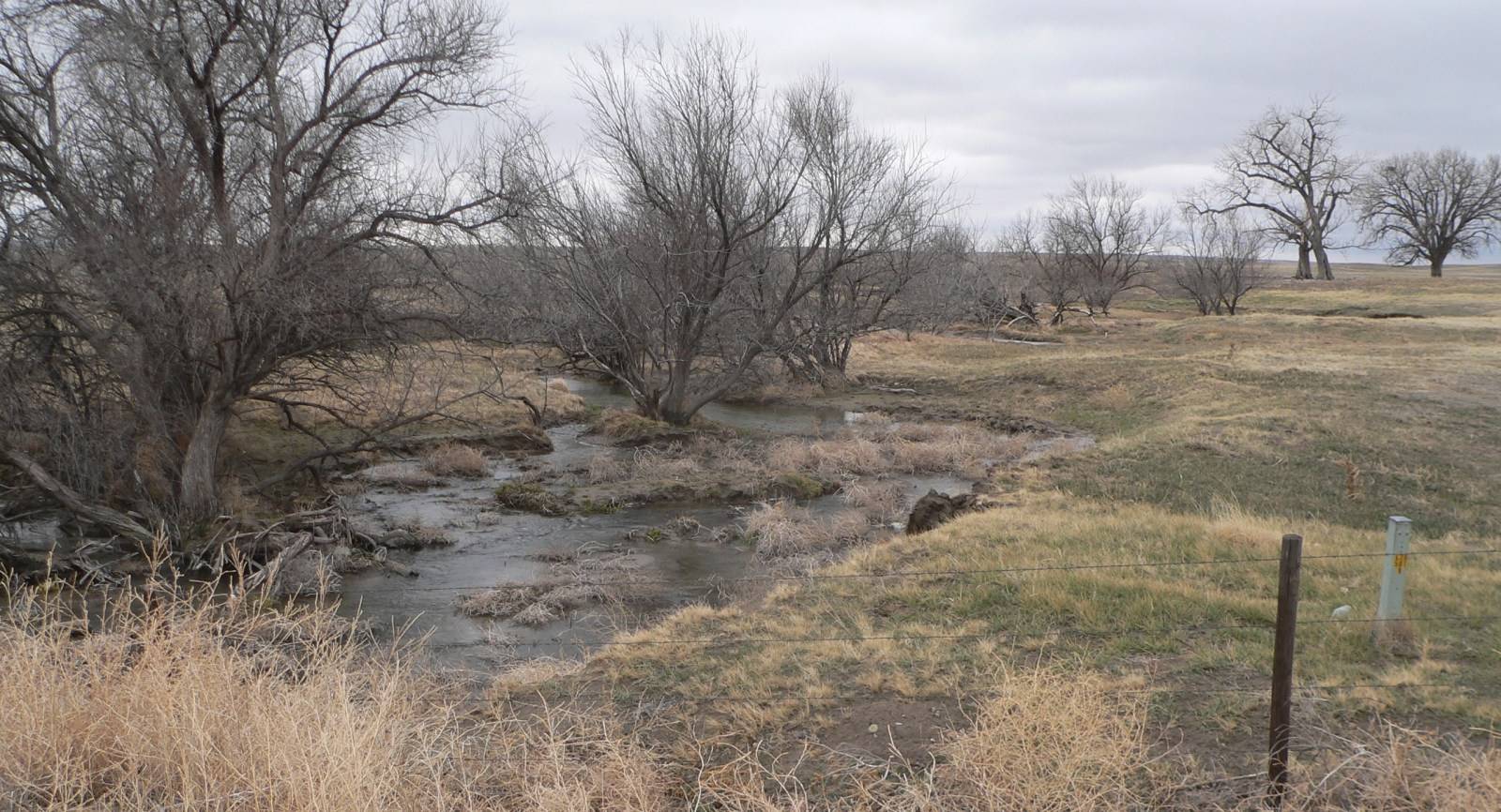
Cedar Creek winding through brown grass and bare trees, Morrill County, NebraskaPhoto: Ammodramus (CC0 1.0)
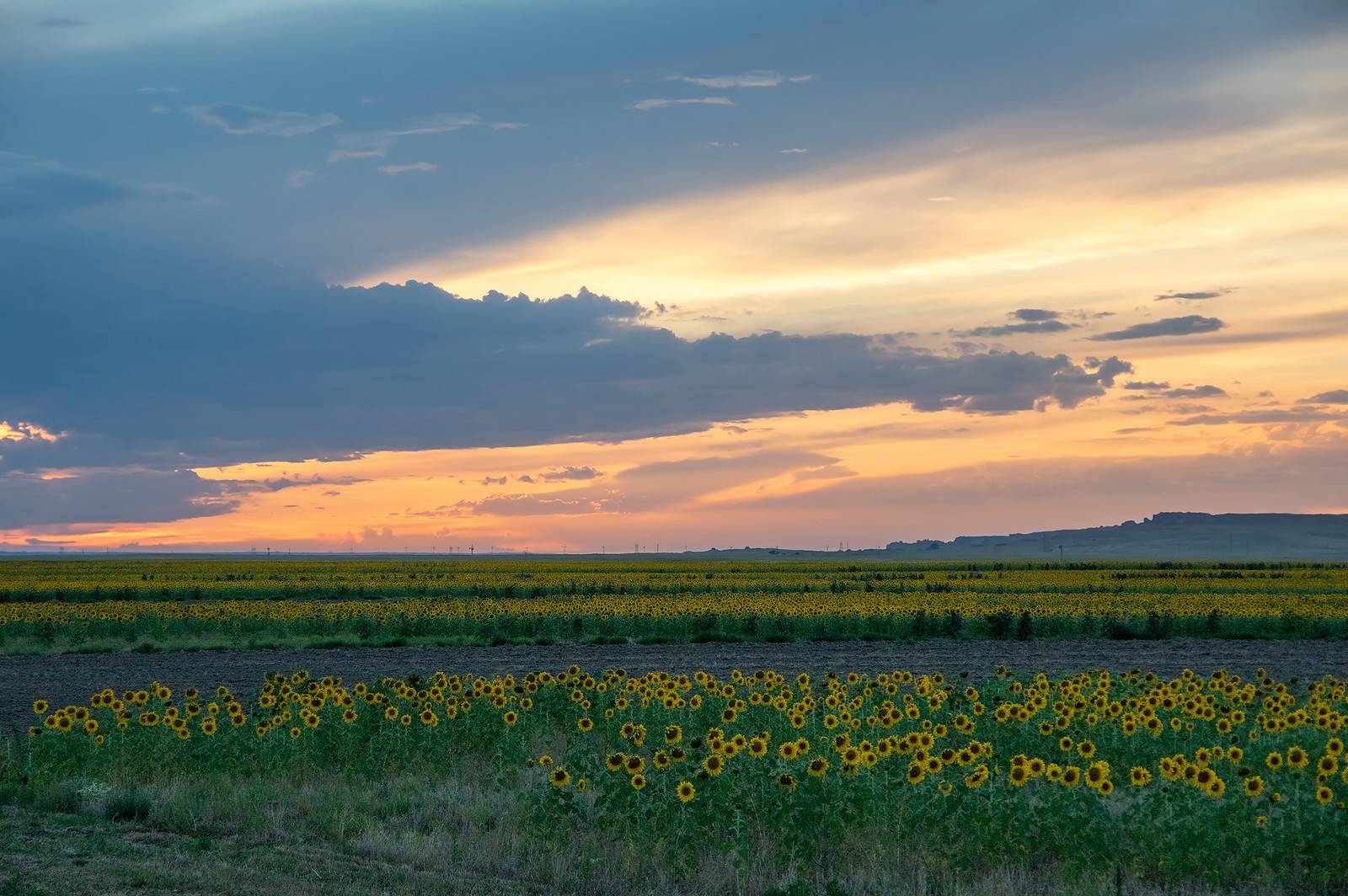
Sunflower field in bloom under sunset clouds, Banner County, NebraskaPhoto: Matthew Dillon (CC BY-SA 2.0)
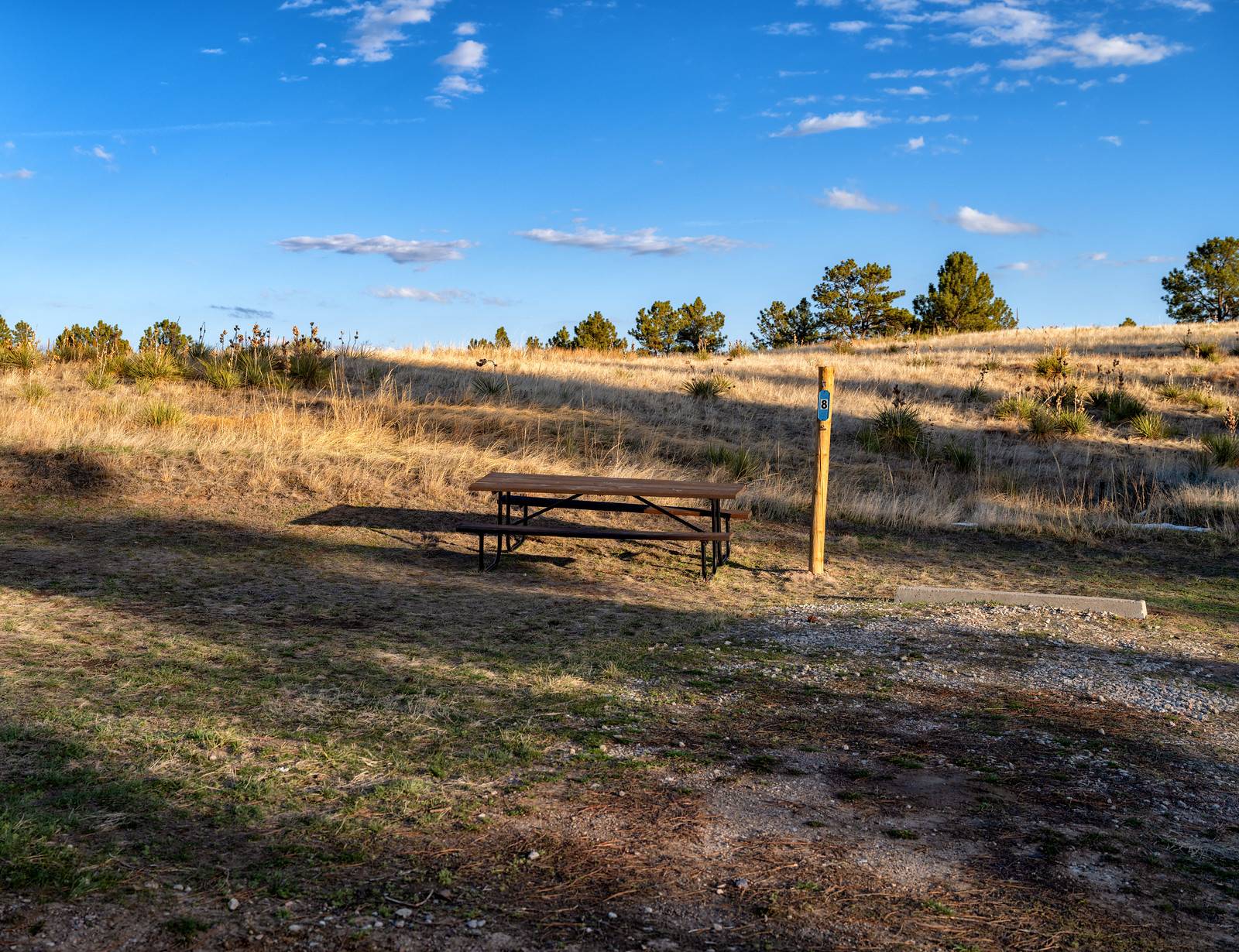
Picnic area on a grassy rise at Wildcat Hills State Recreation Area, Scotts Bluff County, NebraskaPhoto: Tony Webster (CC BY 2.0)
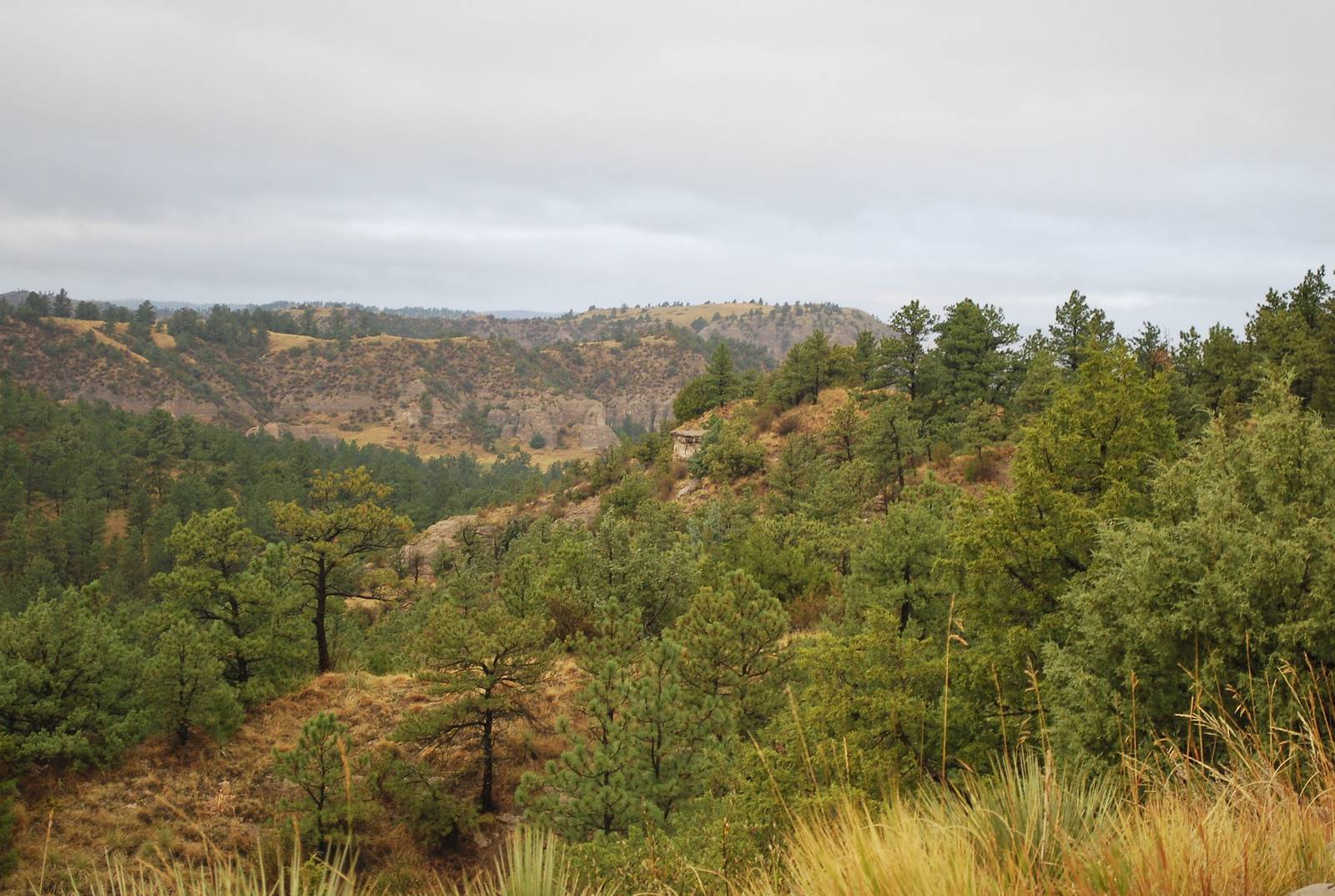
Pine-covered canyon slopes under an overcast sky, Scotts Bluff County, NebraskaPhoto: Dick Clark (CC BY 2.0)
What hunters ask about elk unit 11
Is there public hunting land in elk unit 11?
The land table holds 12 records, and the largest is Crescent Lake National Wildlife Refuge at 46,712 acres.
Do CWD notes apply to elk unit 11?
NGPC names Kimball in its CWD pages; dispose of bones and tissue in a bagged landfill load.
Is there a harvest table for elk unit 11?
Harvest by unit is on the NGPC site and not in this guide.
Which counties should I check for elk unit 11?
Banner, Cheyenne, Deuel, Garden and Kimball are the counties on the unit layer.
Does elk unit 11 take in whole counties?
Whole is a label from the overlay at 97 percent or more, and every other county is labeled part.
What is the elk unit 11 calendar?
Rows run August 1, 2026 through January 31, 2027, and the table above lists each window.
When must I stop hunting in elk unit 11 each day?
This unit uses MT; the hours table lists first and last light for November 25, 2026.
How are elk permits handled for elk unit 11?
Yes, elk here is hunted on a permit, and the 2026-27 general draw ran from June 1 to June 12, 2026; the draw page explains what comes next.
What must firearm hunters wear in elk unit 11?
A hat alone is not enough, since the figure is 400 square inches spread over the head, chest and back.
Do I register an animal from elk unit 11?
Telecheck is the check-in route for deer, antelope and elk, and the permit gets punched or notched right after the kill.
Sources: NGPC unit map layer; NGPC season news release; read November 24, 2026. Answers use the unit data and the rules read on that date.
Other photos on this page: Christine Warner (CC BY 2.0); Runner1928 at English Wikipedia (CC BY-SA 3.0); A. Szalanski (CC BY-SA 3.0); Carol M Highsmith (CC0 1.0).