Nebraska › Species › Early teal
Seasons, bag and gear in one page
Nebraska Early teal Season 2026-27
This 2026-27 season for early teal has run its course, with the dates, limit and gear rules left here for reference.
Updated November 25, 2026 · Source: Nebraska Game and Parks Commission
Pair of wood ducks flying over a wetland, Nebraska
Photo: U.S. Fish and Wildlife Service Mountain-Prairie Region (CC BY 2.0)
Essentials before a early teal hunt
Each fact below comes from an NGPC guide or release, with a link at the foot.
Early teal season runs September 5 through September 13, 2026 in both the Low Plains and High Plains zones, a nine-day season because blue-winged teal breeding counts were low. The limit is 6 teal a day and 18 in possession, in any mix of blue-winged, green-winged and cinnamon teal.
A Harvest Information Program number, the Nebraska Waterfowl Stamp, a Federal Duck Stamp and a Habitat Stamp are needed along with the hunt permit.
Every early teal opener and closer this year
Each line is one window from the NGPC release or guide, and the last column tests it against November 25, 2026.
| Window | Covers | Starts | Ends | Now |
|---|---|---|---|---|
| Teal, Low Plains | Low Plains Zone | Sept. 5, 2026 | Sept. 13, 2026 | Ended |
| Teal, High Plains | High Plains Zone | Sept. 5, 2026 | Sept. 13, 2026 | Ended |
Row details from NGPC
NGPC release or guide (2026-03-23); NGPC hunting page; checked November 24, 2026.
Which early teal windows are done, running or coming
Nothing is open for early teal on November 25, 2026: the latest row finished September 13, 2026.
No dates for the year after 2026-27 exist in the guides read, and none are printed on this page.
The zone map for ducks
Pick a zone below to see its counties and its rows.
- High Plains Zone 2Duck zone
- Low Plains Zone 2Duck zone
- Zone 1Duck zone
- Zone 3Duck zone
Bag rules for the early teal hunter
Read the early teal numbers as the 2025-26 limits, and confirm them in the 2026-27 guide before the hunt.
| Take | A day | Held |
|---|---|---|
| Early teal | 6 | 18 |
NGPC limit entry (2026-03-23); 2025-26 Small Game and Waterfowl Guide; checked November 24, 2026.
The paper trail for early teal: permits and cost
The first line, the annual hunt permit at $18 resident and $109 nonresident, is the price to plan around for early teal. The Harvest Information Program number goes with the permit for every migratory bird.
| Paperwork | Residents pay | Nonresidents pay |
|---|---|---|
| Annual hunt permit | $18 | $109 |
| Habitat Stamp | $25 | $25 |
| Waterfowl Stamp | $10 | $10 |
| Federal Duck Stamp | $32 | $32 |
NGPC fee table; NGPC draw release (2026-05-28); checked November 24, 2026.
All permit prices and big game draws have their own pages.
How the clock bounds a early teal day
Nebraska reads the day for early teal as from 30 minutes before sunrise to sunset; the rows below show the result on the first, middle and last dates.
Look at the zone letters: Platte reads CT, Sioux reads MT, and the Panhandle clock runs an hour behind.
| Date | County | Opens | Closes |
|---|---|---|---|
| Sept. 5, 2026 | Platte | 6:29 a.m. CT | 7:59 p.m. CT |
| Sept. 5, 2026 | Sioux | 5:53 a.m. MT | 7:25 p.m. MT |
| Sept. 9, 2026 | Platte | 6:33 a.m. CT | 7:52 p.m. CT |
| Sept. 9, 2026 | Sioux | 5:57 a.m. MT | 7:18 p.m. MT |
| Sept. 13, 2026 | Platte | 6:37 a.m. CT | 7:45 p.m. CT |
| Sept. 13, 2026 | Sioux | 6:01 a.m. MT | 7:11 p.m. MT |
Every county on one table lives on the legal hours tool. Hours tool for every county.
NGPC shooting hours; Small Game and Waterfowl Guide; checked November 24, 2026.
Methods the guides allow for early teal
These rules were read from the guides and statutes, and the cards keep their wording.
The gear rule for early teal reads like this: a shotgun plugged to three shells or archery, with nontoxic shot.
Upland game birds and
Waterfowl nontoxic shot
Shotgun plug and gauge
Live decoys and electronic calls
Baiting
Vehicles, aircraft and boats
Shooting from roads
Small Game and Waterfowl Guide; 2024 Big Game Guide; 2026 Turkey Guide; checked November 24, 2026.
Reach of the early teal rows across the map
93 counties appear in the early teal rows: 46 whole and 47 touched in part.
- Adams CountyTouches it
- Antelope CountyTouches it
- Arthur CountyWhole county
- Banner CountyWhole county
- Blaine CountyTouches it
- Boone CountyTouches it
- Box Butte CountyWhole county
- Boyd CountyWhole county
- Brown CountyTouches it
- Buffalo CountyTouches it
- Burt CountyWhole county
- Butler CountyTouches it
- Cass CountyTouches it
- Cedar CountyWhole county
- Chase CountyWhole county
- Cherry CountyWhole county
- Cheyenne CountyWhole county
- Clay CountyWhole county
- Colfax CountyTouches it
- Cuming CountyWhole county
- Custer CountyTouches it
- Dakota CountyWhole county
- Dawes CountyWhole county
- Dawson CountyTouches it
- Deuel CountyWhole county
- Dixon CountyWhole county
- Dodge CountyTouches it
- Douglas CountyTouches it
- Dundy CountyWhole county
- Fillmore CountyWhole county
- Franklin CountyTouches it
- Frontier CountyWhole county
- Furnas CountyTouches it
- Gage CountyTouches it
- Garden CountyTouches it
- Garfield CountyTouches it
- Gosper CountyTouches it
- Grant CountyWhole county
- Greeley CountyTouches it
- Hall CountyTouches it
- Hamilton CountyTouches it
- Harlan CountyTouches it
- Hayes CountyWhole county
- Hitchcock CountyWhole county
- Holt CountyWhole county
- Hooker CountyWhole county
- Howard CountyTouches it
- Jefferson CountyTouches it
- Johnson CountyWhole county
- Kearney CountyTouches it
- Keith CountyWhole county
- Keya Paha CountyTouches it
- Kimball CountyWhole county
- Knox CountyWhole county
- Lancaster CountyWhole county
- Lincoln CountyTouches it
- Logan CountyWhole county
- Loup CountyWhole county
- Madison CountyWhole county
- McPherson CountyWhole county
- Merrick CountyTouches it
- Morrill CountyTouches it
- Nance CountyTouches it
- Nemaha CountyTouches it
- Nuckolls CountyTouches it
- Otoe CountyTouches it
- Pawnee CountyTouches it
- Perkins CountyWhole county
- Phelps CountyTouches it
- Pierce CountyWhole county
- Platte CountyTouches it
- Polk CountyTouches it
- Red Willow CountyWhole county
- Richardson CountyTouches it
- Rock CountyWhole county
- Saline CountyTouches it
- Sarpy CountyWhole county
- Saunders CountyTouches it
- Scotts Bluff CountyWhole county
- Seward CountyWhole county
- Sheridan CountyWhole county
- Sherman CountyTouches it
- Sioux CountyTouches it
- Stanton CountyWhole county
- Thayer CountyTouches it
- Thomas CountyWhole county
- Thurston CountyWhole county
- Valley CountyWhole county
- Washington CountyTouches it
- Wayne CountyWhole county
- Webster CountyTouches it
- Wheeler CountyTouches it
- York CountyWhole county
Open ground behind the early teal season
This guide lists 392 records in the land types most used for early teal, so a hunter has a spread of places to compare.
| Land type | Records | Page |
|---|---|---|
| Waterfowl production areas | 60 | Open list |
| Wildlife management areas | 245 | Open list |
| National wildlife refuges | 7 | Open list |
| Open Fields and Waters | 80 | Open list |
When ranked by how many of these places each holds, the top five run Clay County (22), Lancaster County (18), Lincoln County (18), Fillmore County (16), Cherry County (13).
Land that bars hunting is held on a separate list. Closed places.

Wood duck swimming in a shallow wetland, NebraskaPhoto: U.S. Fish and Wildlife Service Mountain-Prairie Region (CC BY 2.0)

Mallard drake floating on calm water, Red Willow County, NebraskaPhoto: Minda Haas Kuhlmann (CC BY 2.0)
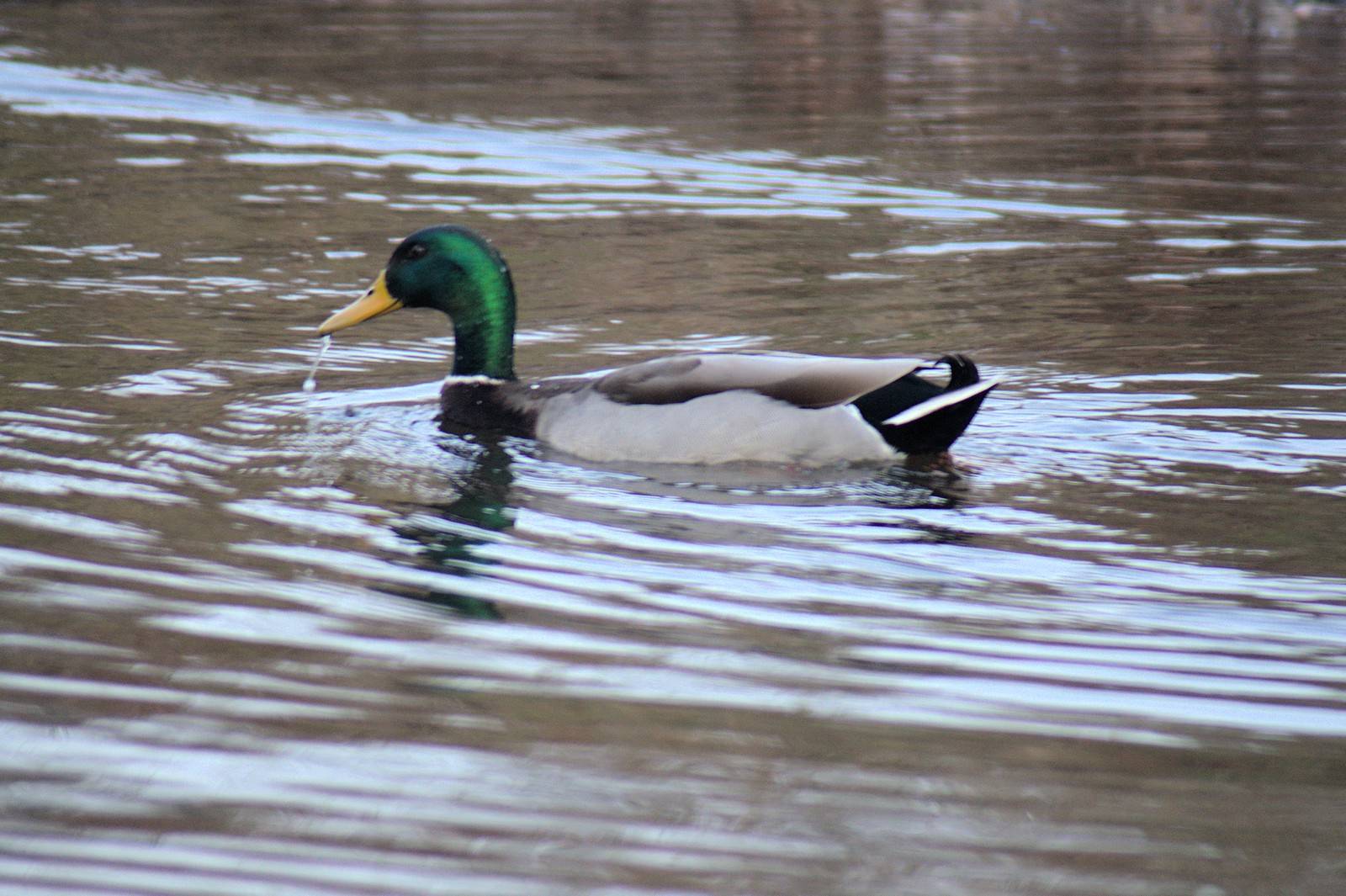
Mallard drake swimming on a pond, Lancaster County, NebraskaPhoto: David Williss (CC BY 2.0)

Mallards and other ducks resting at the edge of a pond, Lancaster County, NebraskaPhoto: David Williss (CC BY 2.0)
Eight answers on the early teal hunt
Can early teal be taken before sunrise or after dark?
Printed rule for early teal: from 30 minutes before sunrise to sunset. Worked out for September 5, 2026, a hunter in Platte County may start at 6:29 a.m. CT and has to quit by 7:59 p.m. CT, whereas over in Sioux County the same rule starts the shooting day at 5:53 a.m. MT and ends it at 7:25 p.m. MT.
Can early teal be hunted in every corner of the state?
The early teal rows reach 93 counties, listed in the county section above.
Can a hunter without private land go after early teal?
Plenty, by count: 60 waterfowl production areas, 245 wildlife management areas and 7 national wildlife refuges. Public land.
Has NGPC announced a later early teal season yet?
Not yet. The Commission sets one hunting year at a time. NGPC hunting page.
Why is the early teal season nine days?
Because the blue-winged teal breeding population was below the federal threshold, according to NGPC.
Do both zones share the dates?
Yes. The Low Plains and High Plains zones both run September 5 through September 13, 2026. Duck zones.
What stamps does a teal hunter need?
The Waterfowl Stamp at $10, the Federal Duck Stamp at $32, a Habitat Stamp and the annual hunt permit. Permit prices.
When can a hunter first go after early teal, and when does it end?
The calendar for early teal runs from September 5, 2026 to September 13, 2026, in 2 windows.
How big a bag of early teal is legal?
Using the 2025-26 numbers, early teal: 6 daily, 18 in possession. Confirm against the 2026-27 guide before the hunt.
What must be bought online or at a vendor before a early teal hunt?
The fee table lists the annual hunt permit at $18 resident and $109 nonresident, and a Habitat Stamp is needed for most hunters. Prices may change after the August 2026 fee decision, so confirm at checkout. Permit prices.
Small Game and Waterfowl Guide; NGPC hunting page; checked November 24, 2026.
What was read for this page
Every date, limit and fee above was read from NGPC releases and guides, last checked November 24, 2026.
NGPC species entry (2026-03-23); Small Game and Waterfowl Guide 2025-26 (2025-07-10); 2024 Big Game Guide (2024-05-07); 2026 Turkey Guide (2025-11-13); checked November 24, 2026.
Gear up, then pick a stop
This page covers when; the county pages cover where, so go there next.
Other photos on this page: U.S. Fish and Wildlife Service Mountain-Prairie Region (CC BY 2.0); U.S. Fish and Wildlife Service Mountain-Prairie Region (CC BY 2.0); U.S. Fish and Wildlife Service Mountain-Prairie Region (CC BY 2.0); Don Henise (CC BY 2.0); U.S. Fish and Wildlife Service Mountain-Prairie Region (CC BY 2.0); Minda Haas Kuhlmann (CC BY 2.0); David Williss (CC BY 2.0); David Williss (CC BY 2.0).