South Dakota › Species › Ducks and coots
Waterfowl rules for 2026-27
South Dakota Ducks and coots Season 2026-27
Open today: season windows, limits, license prices, legal hours and gear for ducks and coots, read from the GFP handbook.
Updated November 23, 2026 · Source: South Dakota Game, Fish and Parks
Redhead drake swimming on calm water, Huron Wetland Management District, South Dakota
Photo: U.S. Fish and Wildlife Service Mountain-Prairie Region (Public Domain Mark 1.0)
Ducks and coots: the basics
South Dakota splits its duck season into four zones set by highways: Low Plains North and Middle (September 26 through December 8, 2026), Low Plains South (October 24, 2026 through January 5, 2027) and High Plains (October 10, 2026 through January 14, 2027). Each hunter chooses at the time of buying the State Migratory Bird Certificate between the traditional six-duck limit and a three-duck limit of any species or sex, an option GFP and Nebraska are testing.
Resident hunters took a projected 159,795 ducks in 2025, and the hunters, birds and per-hunter figures are in the table below.
Opening and closing days for ducks and coots
The table lists 5 windows for ducks and coots; dates are written as GFP prints them for the 2026-27 license year.
| Hunt | Where | First day | Last day | Status |
|---|---|---|---|---|
| Regular duck | North Zone | Sept. 26, 2026 | Dec. 8, 2026 | Open now |
| Regular duck | Middle Zone | Sept. 26, 2026 | Dec. 8, 2026 | Open now |
| Regular duck | South Zone | Oct. 24, 2026 | Jan. 5, 2027 | Open now |
| Regular duck | High Plains Zone | Oct. 10, 2026 | Jan. 14, 2027 | Open now |
| Youth waterfowl | Statewide | Sept. 12, 2026 | Sept. 13, 2026 | Ended |
What each row adds
GFP key dates page; GFP 2026 hunting handbook; checked November 23, 2026.
What is open and what is next for ducks and coots
4 windows for ducks and coots are running today, the soonest closing on December 8, 2026.
You will see 1 row marked ended in the table; they are the 2026-27 dates that have run out.
Next year's calendar has not been published by GFP, so check the key dates page before planning ahead.
Highway lines and duck zones
South Dakota draws four duck zones with highways: Low Plains North, Low Plains Middle, Low Plains South and High Plains. Duck zones.
| Zone | Dates | Today |
|---|---|---|
| Low Plains North | Sept. 26, 2026 to Dec. 8, 2026 | Open now |
| Low Plains Middle | Sept. 26, 2026 to Dec. 8, 2026 | Open now |
| Low Plains South | Oct. 24, 2026 to Jan. 5, 2027 | Open now |
| High Plains | Oct. 10, 2026 to Jan. 14, 2027 | Open now |
What the limit allows for ducks and coots
| Kind | Day limit | Possession |
|---|---|---|
| Traditional option | 6 ducks | 3 times daily |
| Three-duck option | 3 ducks | 3 times daily |
| Coots | 15 | 3 times daily |
Handbook wording for the duck and coot limit: ducks: Traditional option: 6 daily (no more than 5 mallards with no more than 2 hens, 3 wood ducks, 1 scaup, 2 redheads, 2 canvasback, 3 pintail), coots 15, plus 2 bonus blue-winged teal in the first 9 days; Three-duck option: 3 of any species or sex; possession three times the daily limit.
Under the traditional option the daily limit is 6 ducks with no more than 5 mallards (no more than 2 of them hens), 3 wood ducks, 1 scaup, 2 redheads, 2 canvasback and 3 pintail, plus 15 coots and 2 bonus blue-winged teal in the first 9 days of the zone season.
GFP handbook entry; GFP key dates page; checked November 23, 2026.
Ducks and coots licenses and stamps
The paper that matters most for ducks and coots is the migratory bird certificate, priced at $5 for residents and $5 for nonresidents in the 2026-27 GFP fee table.
A nonresident duck hunter needs a license from the GFP lottery, with five unit codes tied to county groups.
| What to buy | Resident price | Nonresident price |
|---|---|---|
| Migratory bird certificate | $5 | $5 |
| Federal waterfowl e-stamp | $29 | $29 |
| Habitat Stamp, 18 and up | $10 | $25 |
| Waterfowl license, 5-day | Not sold | $145 |
| Waterfowl license, 3-day | Not sold | $106 |
GFP fee table; license requirements; drawing rules; checked November 23, 2026.
Ducks and coots hours by the clock
GFP sets the duck and coot shooting day from 30 minutes before sunrise to sunset, and the clock times below turn that rule into minutes for two counties on three days of the main window.
Times for Hughes County end in CT and times for Meade County end in MT, because the Missouri River area splits the state in two clocks.
| Date | County | Opens | Closes |
|---|---|---|---|
| Sept. 26, 2026 | Hughes | 7:00 a.m. CT | 7:32 p.m. CT |
| Sept. 26, 2026 | Meade | 6:11 a.m. MT | 6:43 p.m. MT |
| Nov. 1, 2026 | Hughes | 6:46 a.m. CT | 5:31 p.m. CT |
| Nov. 1, 2026 | Meade | 5:57 a.m. MT | 4:42 p.m. MT |
| Dec. 8, 2026 | Hughes | 7:33 a.m. CT | 5:01 p.m. CT |
| Dec. 8, 2026 | Meade | 6:44 a.m. MT | 4:11 p.m. MT |
A page with every county on one table sits in the site tools. Legal hours by county.
GFP shooting hours; handbook; checked November 23, 2026.
Ducks and coots legal gear and conduct
Cards below quote the rule text for the topics that apply to this animal.
The method rule for ducks and coots in one line: A shotgun with approved non-toxic shot is the only legal gear, lead may not be possessed, and electronic calls are not allowed.
Waterfowl, coots, snipe, cranes, swan
Road rights-of-way
Electronic calls
Closed areas
Shooting from vehicles
Public land use
GFP 2026 hunting handbook; ARSD 41:06; checked November 23, 2026.
Ducks and coots: projected take
GFP projected that 10,406 resident hunters took 159,795 ducks in 2025, and the county of harvest is what the table ranks.
| County | Hunters | Ducks | Per hunter |
|---|---|---|---|
| Day County | 728 | 15,940 | 21.9 |
| Kingsbury County | 757 | 14,736 | 19.5 |
| Brown County | 692 | 11,641 | 16.8 |
| Clark County | 513 | 10,364 | 20.2 |
| Marshall County | 334 | 8,862 | 26.5 |
| Codington County | 531 | 7,162 | 13.5 |
| Brookings County | 483 | 6,762 | 14.0 |
| Bon Homme County | 197 | 5,653 | 28.7 |
GFP 2025 duck report (2026-07-22); GFP harvest surveys; checked November 23, 2026.
Which counties the duck and coot rows reach
Every one of South Dakota's 66 counties lies inside the area the duck and coot rows describe, so the county guides all apply. All county guides.
Which public areas hold ducks and coots
For ducks and coots, the land types that matter are Waterfowl Production Areas, Game Production Areas, national wildlife refuges and Wetland Management Districts, and each has its own list page.
| Land type | Records | Page |
|---|---|---|
| Waterfowl Production Areas | 719 | Open list |
| Game Production Areas | 611 | Open list |
| National wildlife refuges | 4 | Open list |
| Wetland Management Districts | 5 | Open list |
| Corps of Engineers projects | 4 | Open list |
Counties holding the most records of these types: Day County (86), McPherson County (81), Marshall County (67), Clark County (60), Codington County (58).
A closed place never appears as a hunting spot. Closed places.
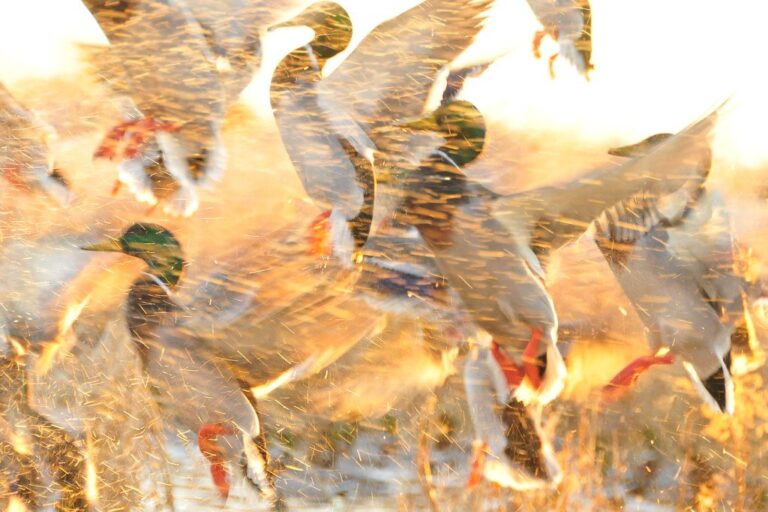
Mallard drakes taking flightPhoto: USFWS Mountain Prairie (CC BY 2.0)
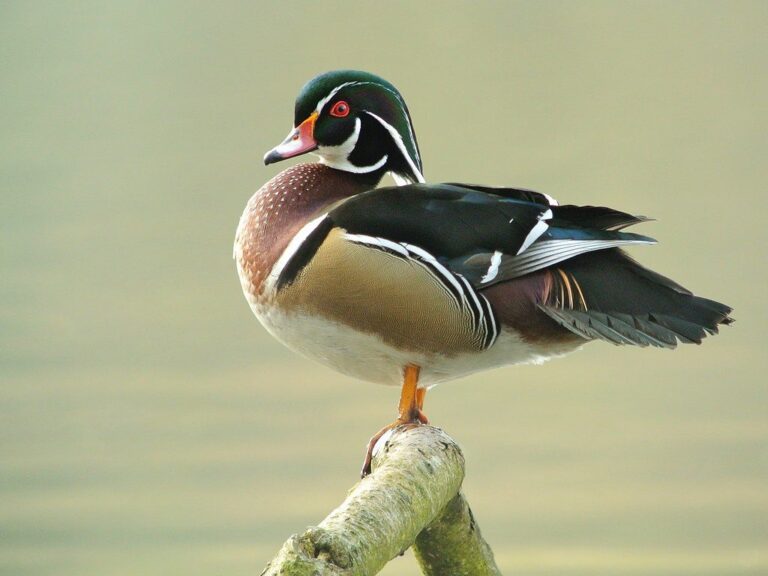
Male wood duckPhoto: Frank.Vassen (CC BY 2.0)
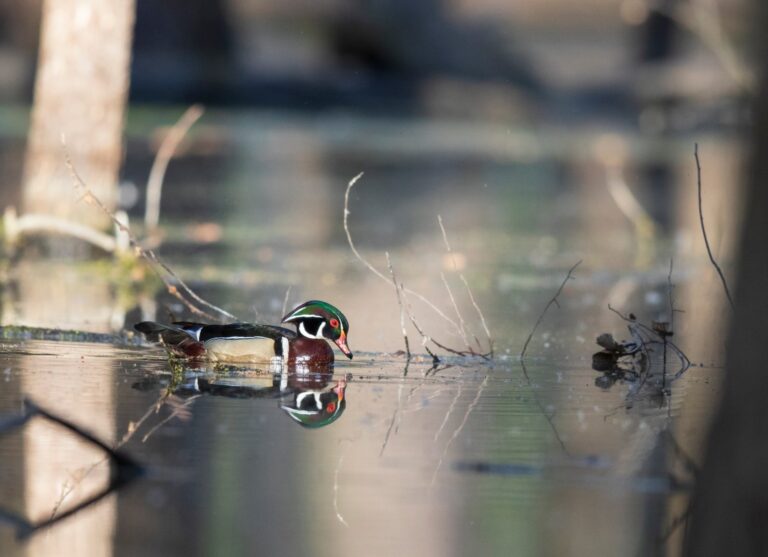
Wood duck drake on still waterPhoto: U.S. Fish and Wildlife Service – Midwest Region (Public domain)
Snow geese in flightPhoto: Birding for Climate (Public domain)
FAQ for the duck and coot season
What is the three-duck limit?
It is the alternative to the traditional six-duck limit: 3 ducks of any species or sex with no bonus teal, chosen when buying the State Migratory Bird Certificate.
When will ducks and coots dates for the following year be known?
None are printed, because GFP has not posted them. GFP key dates.
Which youth weekend comes first?
The youth waterfowl weekend, September 12 through September 13, 2026, comes before the zone seasons and covers ducks and Canada geese. Youth hunting.
Why does a county page not name my duck zone?
GFP draws the four zones with highways (Boundaries A, B and C) rather than county lines, so this site lists the zones but never says which one a county belongs to. Duck zones.
How many ducks and coots can I have in possession?
GFP's entry: ducks: Traditional option: 6 daily (no more than 5 mallards with no more than 2 hens, 3 wood ducks, 1 scaup, 2 redheads, 2 canvasback, 3 pintail), coots 15, plus 2 bonus blue-winged teal in the first 9 days; Three-duck option: 3 of any species or sex; possession three times the daily limit.
What stretch of the calendar belongs to the duck and coot season?
Ducks and coots are in season starting September 12, 2026, and the final closing date is January 14, 2027.
Does a clock rule limit duck and coot hunting?
GFP's rule reads from 30 minutes before sunrise to sunset. Put through the sun tables, September 26, 2026 gives 7:00 a.m. CT to 7:32 p.m. CT at the Hughes County center and 6:11 a.m. MT to 6:43 p.m. MT at the Meade County center.
Do I need a stamp or a permit for ducks and coots?
Start with the migratory bird certificate ($5 resident and $5 nonresident); the license section above adds the stamps and extras. License prices.
How much public hunting land is listed for ducks and coots?
Start with Waterfowl Production Areas (719 records) and move to the other types. Public land.
Is duck and coot hunting limited to certain units or zones?
All 66 counties are covered by at least one duck and coot row.
GFP 2026 hunting handbook; GFP key dates page; checked November 23, 2026.
Sources and checks
These pages were read on November 23, 2026; anything that changes after that date is for GFP to publish.
GFP species entry (2026-09-28); GFP key dates page; GFP 2026 hunting handbook (2026-09-28); ARSD 41:06; checked November 23, 2026.
Make a plan
Pick a county guide to see land, towns, units and services around your hunt.
Other photos on this page: U.S. Fish and Wildlife Service Mountain-Prairie Region (Public Domain Mark 1.0); U.S. Fish and Wildlife Service Mountain-Prairie Region (Public Domain Mark 1.0); USDA NRCS South Dakota (CC BY-SA 2.0); USFWS/Southeast (Public domain); USFWS Mountain Prairie (CC BY 2.0); Frank.Vassen (CC BY 2.0); U.S. Fish and Wildlife Service – Midwest Region (Public domain); Birding for Climate (Public domain).