Home › Washington › Season dates › Tagging and Transport
Tags, reports and moving game
Washington Hunting Tags and Game Transport
Validate the tag at the kill, leave the evidence of sex attached, and report every tag by midnight January 31, 2027 through MyWDFW, the website or by phone.
Updated November 24, 2026 · Source: Washington Department of Fish and Wildlife
Hunter in a blaze orange vest sitting in a climbing tree stand in hardwoods
Photo: Department of the Interior. U.S. Fish and Wildlife Service. National Conservation Training Center. 10/1997-8888 (Public domain)
Tag the animal at the kill
Washington asks for two things at the carcass, a tag that is validated on the spot and the evidence of sex left on the meat.
Paper tag
Cut out and completely remove the month and day, then attach the tag to the carcass or the largest piece of meat.
Electronic tag
Validate the tag in the myWDFW app and attach the written confirmation number and date on durable material.
Tag stays with the meat
The tag stays with the meat until it is eaten.
Evidence of sex
Evidence of the animal's sex must stay naturally attached to the carcass until it is processed or stored for consumption.
Waste of game
Game animals and game birds that have been taken may not be recklessly wasted.
Penalty
Failing to affix and notch a big game transport tag, or illegally moving big game, is charged under RCW 77.15.290.
Sources: WAC 220-413-020; 2026 big game pamphlet, PDF page 76. Checked: WDFW rule text and tables reread November 23, 2026. Source dated November 23, 2026.
Report every tag by January 31
WDFW wants a report for every deer, elk, bear, moose, sheep, goat and turkey tag bought, with a $10 administrative penalty on unreported tags before the next license can be bought.
| Tag | Reporting rule |
|---|---|
| Report each tag by midnight January 31, 2027, even if you did not hunt. | |
| Turkey | Spring and/or fall turkey hunting reports are required for each turkey transport tag purchased. |
| Cougar | Present the unfrozen hide and skull for sealing within 3 business days and report through WILD by March 31, 2027. |
| Bear teeth | Submit a premolar with the complete unbroken root by December 1, 2026. |
| Bobcat | Seal the pelt with the lower jaw and report by April 20, 2027. |
Sources: 2026 big game pamphlet, PDF page 12. Checked: WDFW rule text and tables reread November 23, 2026. Source dated April 13, 2026.
Reports by January 10 enter an incentive drawing
Hunters who report by January 10 enter a drawing for special permits, which WDFW lists as two any elk permits for western Washington, two for eastern Washington and five statewide any deer permits.
Report online
Use the MyWDFW app or the fshhunt.dfw.wa.gov website.
Report by phone
Call 360-902-2464 to report by phone.
Not by mail
WDFW does not accept reports by mail or email.
Bear teeth
Premolar submission is due by December 1, 2026.
Cougar sealing
Hide and skull go to WDFW within 3 business days.
Sources: 2026 big game pamphlet, PDF page 12. Checked: WDFW rule text and tables reread November 23, 2026. Source dated April 13, 2026.
Moving carcasses and importing animals
Moving big game across a line is its own rule, and two lines matter, the state line and the chronic wasting disease carcass rule.
Carcass transport
Whole deer, elk, moose and caribou carcasses taken outside Washington may not be brought into the state.
Importing
Importers of a dead bighorn sheep, mountain goat, cougar or bear must report the importation to WDFW in writing within 10 days.
Penalty
Violating the chronic wasting disease carcass transport rule is a gross misdemeanor with a maximum penalty of a $5,000 fine or one year in jail.
Where CWD is found
WDFW lists Spokane and Pend Oreille counties as the places with a confirmed case.
Sources: WAC 220-413-030; WDFW CWD page; 2026 big game pamphlet, PDF page 59. Checked: WDFW rule text and tables reread November 23, 2026. Source dated November 23, 2026.
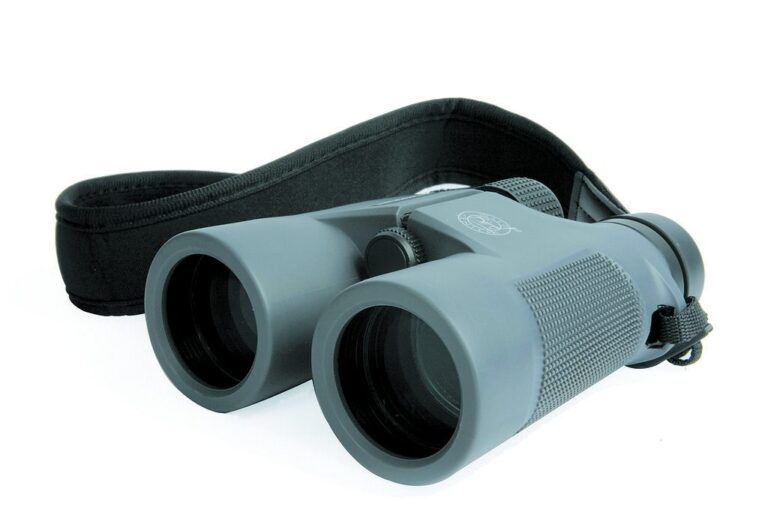
BinocularsPhoto: Dana Beveridge (CC BY 2.0)
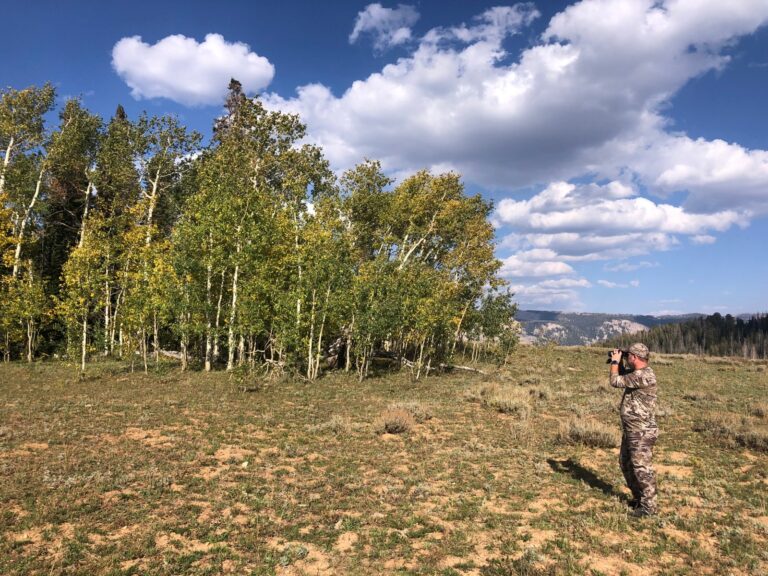
Hunter scouting with binoculars near a stand of treesPhoto: Intermountain Region US Forest Service (Public domain)

Eastern gray squirrel on the groundPhoto: PierreSelim (CC BY 3.0)
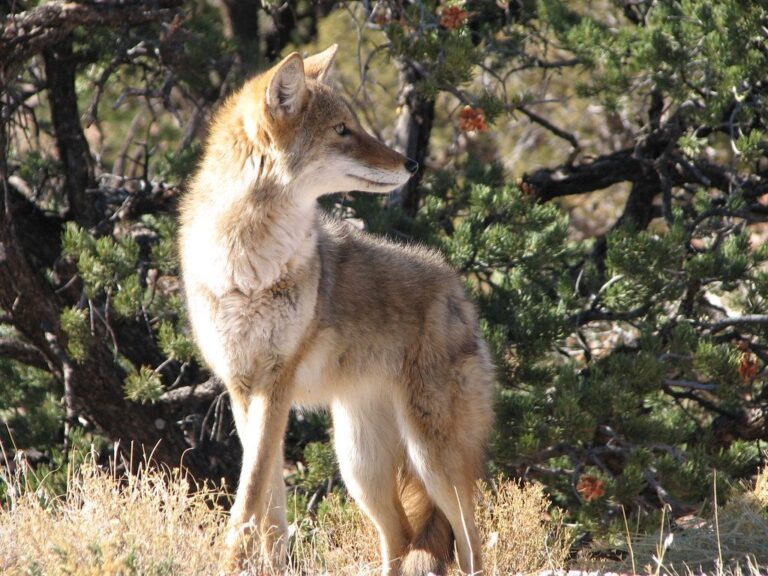
Coyote walkingPhoto: ZionNPS (CC BY 2.0)
More Washington hunting pages
Questions hunters ask
Do I have to report a cougar?
Yes. Present the unfrozen hide and skull to WDFW for sealing within 3 business days, and report through WILD by March 31, 2027.
What happens if I do not report?
A $10 administrative penalty applies before the next license can be bought.
Is there a reward for early reports?
Reports made by January 10 enter a drawing for special deer and elk incentive permits.
When are bear teeth due?
A premolar with the complete unbroken root is due by December 1, 2026.
How do I tag a deer in Washington?
The tag must be validated immediately after the kill: cut out and completely remove the month and day on a paper tag and attach it to the carcass (or largest piece of meat), or validate electronically in the myWDFW app and attach the written confirmation number and date.
May I bring a whole deer from another state?
No for whole carcasses of deer, elk and moose taken outside Washington. Deboned meat, a clean skull and antlers and finished taxidermy may be moved.
When must I report my tags?
By midnight January 31, 2027, or within 10 days after a season that runs beyond January 31, whichever applies, for every tag bought, even when no hunt took place.
What is evidence of sex?
Evidence of the animal's sex must stay naturally attached to the carcass until it is processed or stored for consumption.
How do I report?
Through the MyWDFW app, online at fshhunt.dfw.wa.gov, or by phone at 360-902-2464. Mail and email are not accepted.
Sources: WAC 220-413-020; 2026 big game pamphlet, PDF page 12; 2026 big game pamphlet, PDF page 76. Checked: WDFW rule text and tables reread November 23, 2026. Source dated April 13, 2026.
Go to the source
Each fee, date and rule on this page was read from the 2026-27 WDFW pamphlets and e-regulations pages on November 23, 2026, and the printed pamphlet governs wherever a short answer here differs.
Other photos on this page: Peter Sheik (CC BY 2.0); USDAgov (Public domain); USFWS/Southeast (CC BY 2.0); Wesley Fryer (CC BY 2.0).