Home › Washington › Game management units › CWD counties
Chronic wasting disease in Washington, 2024 to now
Washington CWD Counties Hunting
WDFW confirmed chronic wasting disease in 2024, first in a white-tailed deer in the county of Spokane. This page names the two counties with confirmed positives, the Region 1 testing area, and the sample and carcass rules for hunters.
Updated November 24, 2026 · Source: Washington Department of Fish and Wildlife
Pine Lake reflecting a blue sky and clouds, seen from the loop trail at the Turnbull National Wildlife Refuge, Washington, scenery only, which does not mark any unit line
Photo: James W. Rosenzweig (CC BY-SA 4.0)
The two counties with confirmed positives
WDFW confirmed chronic wasting disease in Washington in 2024, first in a white-tailed deer in Spokane County, with further cases in Spokane County and one in Pend Oreille County that hunting season. WDFW lists 8 confirmed positives in total as of November 23, 2026. The table gives the count the WDFW county layer shows for each county, the most recent year and the Region 1 testing units that touch it. This page names only the places where WDFW lists positives and makes no claim about any other county.
| County | Positives listed | Latest year | Testing GMUs (first eight) |
|---|---|---|---|
| Spokane County | 7 | 2025 | 124, 127, 130, 139 |
| Pend Oreille County | 1 | 2024 | 111, 113, 117, 124 |
| GMU | Name | Positives listed | Latest year |
|---|---|---|---|
| GMU 124 Mount Spokane | Mount Spokane | 7 | 2025 |
| 49 Degrees North | 1 | 2024 |
From the WDFW CWD page and the WDFW CWD map, read November 23, 2026. The WDFW map refreshes daily, so check it for current counts.
Region 1 counties
WDFW Region 1 takes in 10 counties, and the 100-series GMUs that serve them are the Region 1 testing area, where sampling is mandatory and carcass transport is limited. The testing area is a rules area; the table above names the counties and units where WDFW lists positives.
| County | Region | Testing GMUs |
|---|---|---|
| Asotin County | Region 1 Eastern | 7 |
| Columbia County | Region 1 Eastern | 7 |
| Ferry County | Region 1 Eastern | 1 |
| Garfield County | Region 1 Eastern | 8 |
| Lincoln County | Region 1 Eastern | 4 |
| Pend Oreille County | Region 1 Eastern | 4 |
| Spokane County | Region 1 Eastern | 4 |
| Stevens County | Region 1 Eastern | 6 |
| Walla Walla County | Region 1 Eastern | 4 |
| Whitman County | Region 1 Eastern | 2 |
Sources: WDFW CWD rules page; WDFW CWD testing page (Washington Department of Fish and Wildlife), read November 23, 2026.
The 100-series testing units
These 27 GMUs are the 100-series units. A deer, elk or moose taken in any of them needs a sample submitted, and whole carcasses may not leave the 100-series units. Positives are listed in the table above.
| GMU | Counties touched | Series |
|---|---|---|
| GMU 101 Sherman | Ferry and Okanogan | 100 series |
| GMU 105 Kellyhill | Stevens | 100 series |
| GMU 108 Douglas | Stevens | 100 series |
| GMU 111 Aladdin | Stevens and Pend Oreille | 100 series |
| GMU 113 Selkirk | Pend Oreille | 100 series |
| Stevens and Pend Oreille | 100 series | |
| GMU 121 Huckleberry | Stevens | 100 series |
| GMU 124 Mount Spokane | 100 series | |
| GMU 127 Mica Peak | Spokane | 100 series |
| GMU 130 Cheney | Spokane and Lincoln | 100 series |
| GMU 133 Roosevelt | Lincoln | 100 series |
| GMU 136 Harrington | Lincoln and Grant | 100 series |
| GMU 139 Steptoe | Lincoln, Whitman and Spokane | 100 series |
| GMU 142 Almota | Whitman | 100 series |
| GMU 145 Mayview | Garfield and Asotin | 100 series |
| GMU 149 Prescott | 100 series | |
| GMU 154 Blue Creek | Walla Walla and Columbia | 100 series |
| Walla Walla and Columbia | 100 series | |
| GMU 162 Dayton | Walla Walla and Columbia | 100 series |
| GMU 163 Marengo | Columbia and Garfield | 100 series |
| GMU 166 Tucannon | Columbia and Garfield | 100 series |
| GMU 169 Wenaha | Columbia, Garfield and Asotin | 100 series |
| GMU 172 Mountain View | Garfield and Asotin | 100 series |
| GMU 175 Lick Creek | Garfield and Asotin | 100 series |
| GMU 178 Peola | Garfield and Asotin | 100 series |
| GMU 181 Couse | Asotin | 100 series |
| GMU 186 Grande Ronde | Asotin | 100 series |
Sources: WDFW e-regulations GMU list; 2026-27 big game pamphlet; WDFW season tables (Washington Department of Fish and Wildlife), read November 23, 2026.
Sample and carcass rules
Mandatory sample submission and transport restrictions apply to deer, elk and moose taken in WDFW Region 1 (100-series GMUs): whole carcasses may not leave the 100-series GMUs; only boned-out meat, skull and antlers with all soft tissue removed, hides or capes without heads, tissue with preapproved research permits and finished taxidermy mounts may be transported out (WAC 220-413-030); the same limits apply to deer, elk, moose and caribou brought in from other states or provinces. Violation is a gross misdemeanor (maximum $5,000 fine or one year in jail, RCW 77.15.290). Preferred disposal: debone at the kill site and leave inedible parts there, or a landfill; do not use curbside compost or organic bins.
Mandatory in Region 1: present the head with at least three inches of neck attached, or extracted retropharyngeal lymph nodes, within five days of harvest or salvage permit and before leaving Region 1, at a hunter check station (weekends of the October and November modern firearm deer seasons), self-service drop-off site, WDFW eastern region office or participating Region 1 taxidermist, or by mail-in; results typically take 4-6 weeks. Samples are encouraged but not required elsewhere. A CWD sample does not meet harvest reporting requirements.
From the WDFW CWD page, read November 23, 2026. WAC 220-413-030 governs carcass transport; RCW 77.15.290 sets the penalty.

Middle Pine Lake with cattails and ponderosa pines at the Turnbull National Wildlife Refuge, WashingtonPhoto: USFWS Headquarters (Public domain)
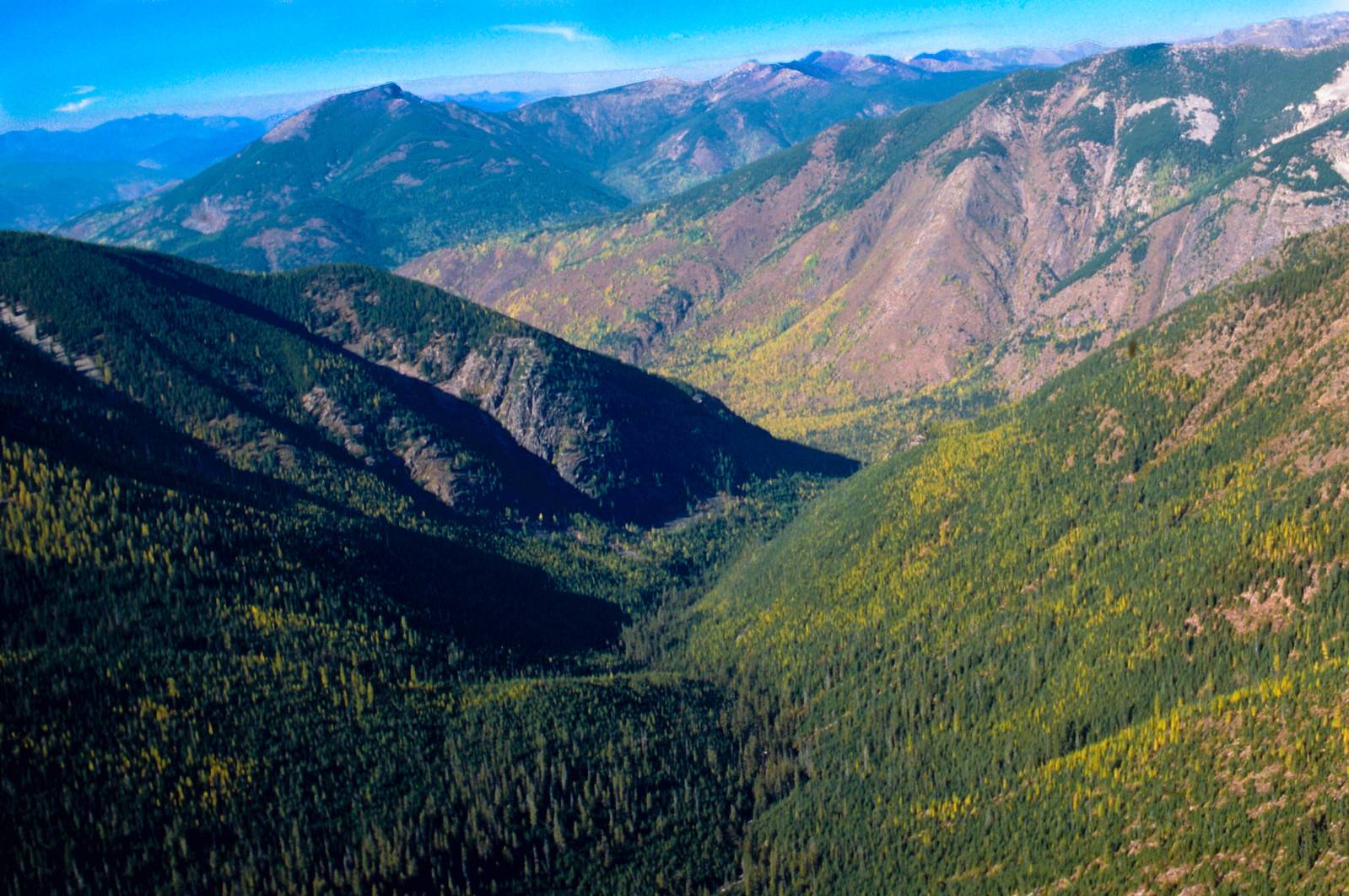
Colville National Forest valley and aspen hillsides in the Salmo-Priest Wilderness, Pend Oreille County, WashingtonPhoto: U.S. Forest Service- Pacific Northwest Region (Public Domain Mark 1.0)

Rolling golden wheat fields in the Palouse, Whitman County, WashingtonPhoto: Robert Ashworth (CC BY 2.0)
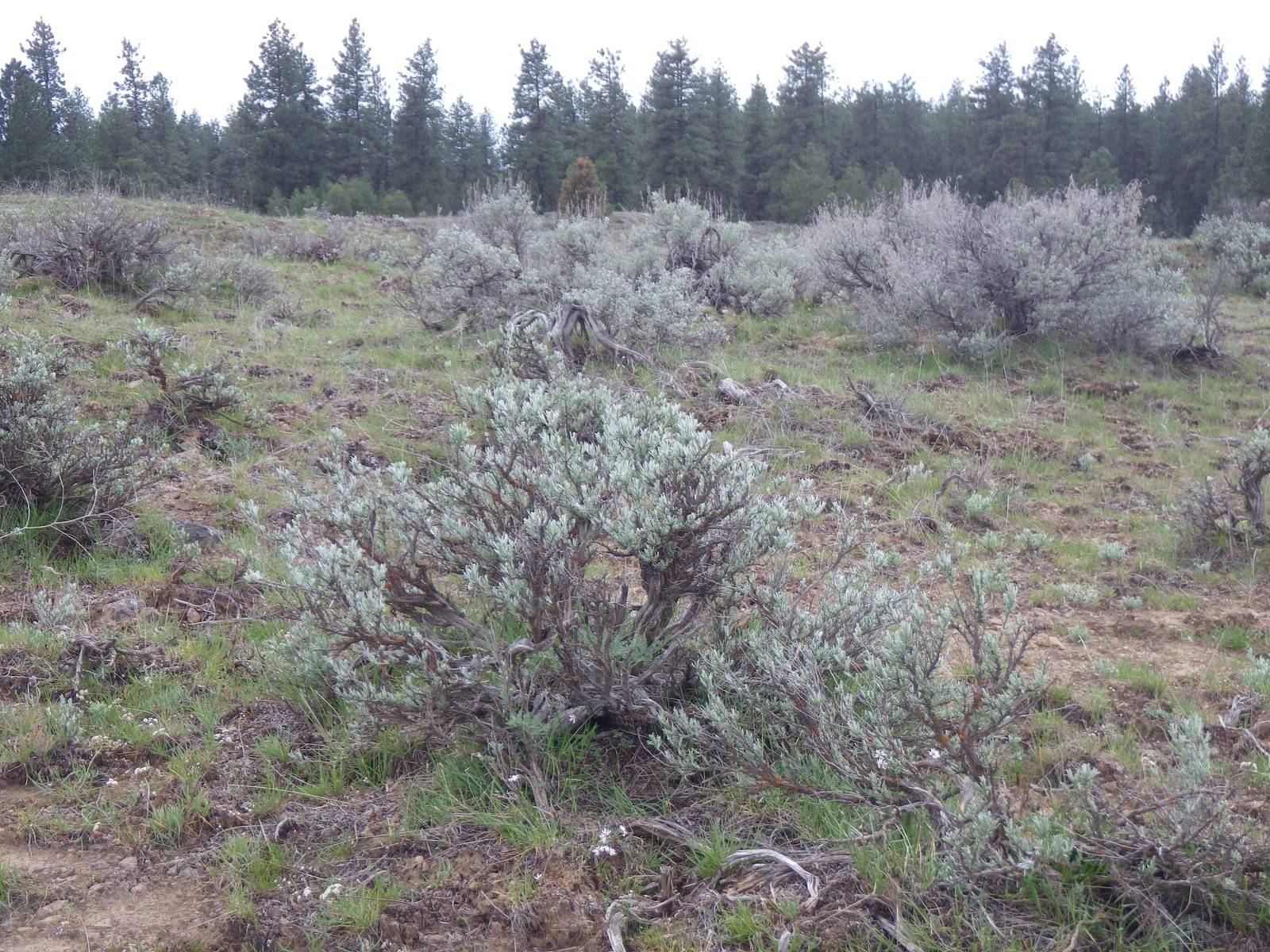
Sagebrush steppe among ponderosa pines, Lincoln County, WashingtonPhoto: Matt Lavin (CC BY-SA 2.0)
Questions about CWD
Which two counties list confirmed CWD positives?
WDFW lists confirmed positives in Spokane and Pend Oreille counties. This guide names those two and makes no statement about any other county.
When was CWD first confirmed in Washington?
WDFW confirmed chronic wasting disease in Washington in 2024, first in a white-tailed deer in Spokane County, with further cases in Spokane County and one in Pend Oreille County that hunting season.
Where is sampling mandatory?
In WDFW Region 1, which is the 100-series GMUs and the 10 counties of the region. Deer, elk and moose taken or salvaged there need the head with three inches of neck or the lymph nodes submitted within five days.
Can I move a carcass out of Region 1?
Only boned-out meat, the skull and antlers with all soft tissue removed, hides or capes without heads, tissue with preapproved research permits and finished taxidermy mounts may leave the 100-series units, under WAC 220-413-030.
Is sampling required outside Region 1?
No; WDFW says samples are encouraged but not required elsewhere. A CWD sample does not meet the harvest reporting requirement.
How many weeks do sample results usually need?
WDFW says results typically take 4 to 6 weeks.
What else changed for hunters statewide?
WDFW bans feeding deer, elk and moose statewide, including baiting while hunting, and bans cervid urine and gland scent lures; positive results from other states or provinces must be reported within 24 hours.
Which units have positives listed?
WDFW lists 7 in GMU 124 and 1 in GMU 117, 8 in all.
Sources: WDFW e-regulations GMU list; 2026-27 big game pamphlet; WDFW season tables (Washington Department of Fish and Wildlife), read November 23, 2026.
Other photos on this page: Jeff Hollett (Public Domain Mark 1.0); Jason Hollinger (CC BY 2.0); USFWS Mountain Prairie (CC BY 2.0); ShenandoahNPS (Public domain).