Washington › Species › Bobcat
Sourced to WDFW pamphlets
Washington Bobcat Season 2026-27
Bobcats are in season on November 24, 2026, and the sections below hold the calendar, the limit, what to buy and when the light runs out.
Updated November 24, 2026 · Source: Washington Department of Fish and Wildlife
Ponderosa pine savanna and grass on the Turnbull National Wildlife Refuge, Washington (scenery, not a bobcat photo)
Photo: Jason Hollinger (CC BY 2.0)
First stop for bobcats
Each fact comes from a WDFW pamphlet or season page, with a link at the foot.
The bobcat season is one statewide row, September 1, 2026 through March 15, 2027, with no limit. Pelts must be sealed and the lower jaw handed in, and the harvest report is due April 20, 2027.
A list of named GMUs is closed to night hunting for bobcat, which is the one place the rule differs by unit.
Where each bobcat window starts and ends
A split season fills several lines, one per window, so a single row can appear more than once.
| Row | Area | Begins | Finishes | Open? |
|---|---|---|---|---|
| Regular | Statewide | Sept. 1, 2026 | March 15, 2027 | Open today |
Legal animal and notes per row
WDFW season rows; WDFW pamphlet; checked November 23, 2026.
What today means for bobcats
Bobcats are fair game today, as 1 row covers November 24, 2026, and the nearest last day is March 15, 2027.
Washington prints its dates one license year at a time, and the following year is not out yet.
Bobcat: the limit in numbers
| What WDFW prints | Row count | Season rows |
|---|---|---|
| No limit | 1 | Regular |
WDFW states the bobcat limit this way: bobcat, fox, raccoon, coyote: No limit.
WDFW species entry (2026-07-06); WDFW season rows; checked November 23, 2026.
Money needed for bobcats
WDFW lists the small game license at $55.13 for residents and $252.47 for nonresidents, and the table below adds the tags and extras that go with it.
| License or tag | Resident | Nonresident |
|---|---|---|
| Small game license | $55.13 | $252.47 |
| Deer license | $61.70 | $599.07 |
| Deer and elk license | $116.85 | $1,020.06 |
WDFW fee table; license requirements; drawing rules; checked November 23, 2026.
Daylight window for the bobcat hunt
A clock table would imply a rule that the data does not state for bobcats, so none appears below.
For a county not shown here, open the hours tool and pick one. Legal shooting hours.
WDFW shooting hours; WDFW pamphlet; checked November 23, 2026.
Allowed methods for bobcats
Rule text sits in the cards, trimmed to the rule itself.
What WDFW lets a hunter use on bobcats is printed on the season rows and repeated below.
Lights and night optics
Highways and roads
Posted private land
State lands
Hounds and blood-trailing dogs
After hours and dogs
WDFW pamphlet; RCW and WAC text; checked November 23, 2026.
A single calendar
The rows for bobcats are statewide, so every one of the 39 counties the data lists is covered by the same dates.
Which counties list bobcats
No county is left out: the bobcat rows cover all 39 counties by a statewide rule. All county guides.
Ground to hunt bobcats on
To find ground for bobcats, open a land list first and a county page second.
| Land type | Records | Page |
|---|---|---|
| National forests | 6 | Open list |
| WDFW wildlife area units | 176 | Open list |
| WDFW wildlife areas | 31 | Open list |
| DNR state trust lands | 1 | Open list |
Ranked by record count, the leading counties for these lands come next.
Places off limits to hunters sit on a separate list. Closed places.

View of forested ridges and bare slopes along the Mount St. Helens Summit Trail, WashingtonPhoto: Jeff Hollett (Public Domain Mark 1.0)

Rugged canyon and snowy hills with Mount Adams on the horizon from the Ape Canyon Trail, Mount St. Helens, WashingtonPhoto: Jeff Hollett (Public Domain Mark 1.0)

Basalt cliffs above the Yakima River canyon, WashingtonPhoto: Bureau of Land Management Oregon and Washington (CC BY 2.0)
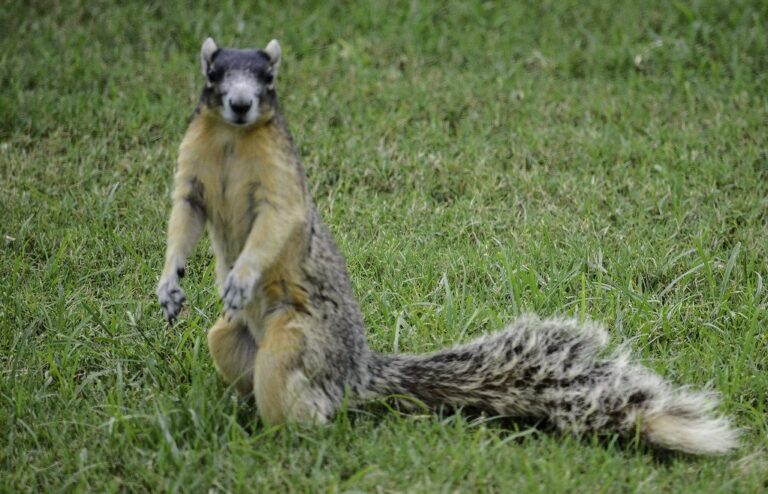
Fox squirrel on a tree trunkPhoto: Charles Patrick Ewing (CC BY 2.0)
Answers on bobcat hunting
Does hunting bobcats take a license alone, or tags as well?
WDFW lists the small game license at $55.13 resident and $252.47 nonresident, and deer license comes next in the table above. License prices.
How is the bobcat shooting day counted?
WDFW states no clock hours for bobcats in the data this guide reads; see the hours section above.
Does a hunter need to check an area list before hunting bobcats?
The area column reads statewide for bobcats, which means 39 of 39 counties.
Which refuges, forests and wildlife areas fit the bobcat hunt?
Yes. This site lists 6 national forests and 176 WDFW wildlife area units, among other types, and each has a list page. Public land.
When does WDFW publish the following year of bobcat dates?
The calendar after this one is not out; the season dates page is the place to watch. WDFW season dates.
When is the bobcat harvest report due?
April 20, 2027, with pelt sealing and a lower jaw submission also required. Tagging and transport.
Where is night hunting for bobcat barred?
In the GMUs the row notes list, which begin 101, 105, 108, 111, 113 and 117.
How early can bobcats be hunted, and how late?
Reading across the table, the first legal day is September 1, 2026 and the final legal day is March 15, 2027.
Is it legal to hunt bobcats today in Washington?
Bobcats are fair game today, as 1 row covers November 24, 2026, and the nearest last day is March 15, 2027.
What may a hunter keep of bobcats each day, and in possession?
The pamphlet puts it this way: bobcat, fox, raccoon, coyote: No limit.
WDFW pamphlet; WDFW season rows; checked November 23, 2026.
Where each number came from
Check dates against WDFW before a trip; this page was verified November 23, 2026.
WDFW species entry (2026-07-06); WDFW season rows; WDFW big game pamphlet; WDFW game bird pamphlet; game management units; checked November 23, 2026.
Plan the hunt
Counties first, then land, then the hours tool, in that order.
Other photos on this page: U.S. Geological Survey (CC0 1.0); Jeff Hollett (CC0 1.0); ZionNPS (CC BY 2.0); Juliana Chong (CC BY 2.0); Jeff Hollett (Public Domain Mark 1.0); Jeff Hollett (Public Domain Mark 1.0); Bureau of Land Management Oregon and Washington (CC BY 2.0); Charles Patrick Ewing (CC BY 2.0).