Home › Washington › Season dates › Elk Seasons
49 dated elk rows for 2026-27
Washington Elk Hunting Seasons 2026-27
Elk rows run from August 1 to January 31, with the first general season on September 12. A resident elk license costs $69.29.
Updated November 24, 2026 · Source: Washington Department of Fish and Wildlife
Basalt rock outcrop above the flats of the Columbia National Wildlife Refuge, Washington
Photo: USFWS – Pacific Region (Public Domain Mark 1.0)
49 elk rows from August to January
WDFW dates 49 elk rows for 2026-27, 31 for the eastern Washington elk tag area and 18 for the western one, and the windows reach from August 1 to January 31, 2027.
| Game | Season | Rows | GMUs | Earliest to latest |
|---|---|---|---|---|
| Elk | Early archery | 7 | 101 GMUs | Aug 1-Sep 24, 2026 |
| Elk | Late archery | 12 | 74 GMUs | 8/1/2026-1/20/2027 |
| Elk | Modern firearm | 13 | 122 GMUs | 8/1/2026-1/31/2027 |
| Elk | Early muzzleloader | 8 | 93 GMUs | Aug 1-Oct 9, 2026 |
| Elk | Late muzzleloader | 9 | 53 GMUs | 8/1/2026-1/20/2027 |
Sources: WDFW e-regulations page; 2026 big game pamphlet, PDF page 42. Checked: each figure laid beside the WDFW text on November 23, 2026. Source dated October 5, 2026.
Two tag areas, Master Hunter rows and Elk Areas
An elk tag belongs to the eastern or the western tag area, so the first question is which side of the state the hunt is on.
Eastern tag area
31 rows name GMUs or Elk Areas on the east side, led by the 100-series units of the northeast and the Blue Mountains units of the southeast.
Western tag area
18 rows cover the western Washington elk herds, from the Olympic Peninsula and the Willapa Hills to the south Cascades.
Master Hunter rows
11 rows are open to Master Hunters only, with long windows that start on August 1 and run into January for antlerless elk in named areas.
Elk Areas
WDFW prints 39 Elk Area records, such as Elk Area 3911 and 3912 in the east, and the rows name them beside the GMUs.
Sources: WDFW e-regulations page; 2026 big game pamphlet, PDF page 42. Checked: each figure laid beside the WDFW text on November 23, 2026. Source dated October 5, 2026.
What an elk tag lets you shoot
Elk rows print 8 legal-animal wordings, from spike bull and any bull to antlerless only and 3-point minimum, and the wording is set by GMU group.
| What the tag allows | Rows |
|---|---|
| Any elk | 13 |
| Antlerless only | 12 |
| 3-point minimum | 7 |
| 3-point minimum or antlerless | 5 |
| Any bull | 4 |
| Spike bull | 4 |
| True spike bull | 2 |
| Spike bull or antlerless | 2 |
Sources: WDFW e-regulations page; 2026 big game pamphlet, PDF page 42. Checked: each figure laid beside the WDFW text on November 23, 2026. Source dated October 5, 2026.
Every elk row
The list names the legal animal for each of the 49 rows, counts the GMUs and areas it covers and shows a status badge for the day you read it; 124 GMUs are named across all elk rows.
| Game | Season | Legal | Where | Dates | Today |
|---|---|---|---|---|---|
| Elk | Modern firearm | Antlerless only | East, 2 areas | 8/1/2026-1/20/2027 | |
| Elk | Modern firearm | Antlerless only | East, 1 area | Sep 12-27, 2026 | |
| Elk | Modern firearm | Any bull | East, 8 GMUs | Oct 31-Nov 8, 2026 | |
| Elk | Modern firearm | Spike bull | East, 22 GMUs | Oct 31-Nov 8, 2026 | |
| Elk | Modern firearm | True spike bull | East, 5 GMUs | Oct 31-Nov 8, 2026 | |
| Elk | Modern firearm | Any elk | East, 10 GMUs | Oct 31-Nov 8, 2026 | |
| Elk | Modern firearm | Any elk | East, 28 GMUs | Oct 31-Nov 15, 2026 | |
| Elk | Modern firearm | Antlerless only | East, 2 GMUs | Aug 1-31, 2026; Jan 1-31, 2027 | |
| Elk | Modern firearm | Antlerless only | East, 6 GMUs | Dec 9-31, 2026 | |
| Elk | Modern firearm | Any elk | West, 2 GMUs | Nov 7-18, 2026 | |
| Elk | Modern firearm | Any bull | West, 1 GMU | Nov 7-18, 2026 | |
| Elk | Modern firearm | 3-point minimum | Nov 7-18, 2026 | ||
| Elk | Modern firearm | 3-point minimum or antlerless | Nov 7-18, 2026 | ||
| Elk | Early archery | Antlerless only | East, 1 GMU | Aug 1-31, 2026 | |
| Elk | Early archery | Any elk | East, 28 GMUs | Sep 12-24, 2026 | |
| Elk | Early archery | Spike bull or antlerless | Sep 12-24, 2026 | ||
| Elk | Early archery | Spike bull | East, 15 GMUs | Sep 12-24, 2026 | |
| Elk | Early archery | Any elk | Sep 12-24, 2026 | ||
| Elk | Early archery | 3-point minimum | Sep 12-24, 2026 | ||
| Elk | Early archery | 3-point minimum or antlerless | Sep 12-24, 2026 | ||
| Elk | Late archery | Antlerless only | East, 2 areas | 8/1/2026-1/20/2027 | |
| Elk | Late archery | Any elk | East, 27 GMUs | Oct 31-Nov 15, 2026 | |
| Elk | Late archery | Antlerless only | East, 1 GMU | Nov 20-Dec 8, 2026 | |
| Elk | Late archery | Any bull | East, 5 GMUs | Nov 25-Dec 8, 2026 | |
| Elk | Late archery | Any elk | East, 6 GMUs | Nov 25-Dec 8, 2026 | |
| Elk | Late archery | Spike bull or antlerless | East, 2 GMUs | Nov 25-Dec 8, 2026 | |
| Elk | Late archery | Spike bull | Nov 25-Dec 8, 2026 | ||
| Elk | Late archery | Antlerless only | East, 6 GMUs | Dec 9-31, 2026 | |
| Elk | Late archery | Antlerless only | East, 1 GMU | 12/9/2026-1/20/2027 | |
| Elk | Late archery | 3-point minimum or antlerless | Nov 25-Dec 15, 2026 | ||
| Elk | Late archery | Any elk | Nov 25-Dec 15, 2026 | ||
| Elk | Late archery | 3-point minimum | Nov 25-Dec 15, 2026 | ||
| Elk | Early muzzleloader | Antlerless only | East, 1 GMU | Aug 1-31, 2026 | |
| Elk | Early muzzleloader | Any bull | East, 9 GMUs | Oct 3-9, 2026 | |
| Elk | Early muzzleloader | Any elk | East, 14 GMUs | Oct 3-9, 2026 | |
| Elk | Early muzzleloader | Spike bull | East, 19 GMUs | Oct 3-9, 2026 | |
| Elk | Early muzzleloader | True spike bull | Oct 3-9, 2026 | ||
| Elk | Early muzzleloader | Any elk | West, 4 GMUs | Oct 3-9, 2026 | |
| Elk | Early muzzleloader | 3-point minimum | Oct 3-9, 2026 | ||
| Elk | Early muzzleloader | 3-point minimum or antlerless | Oct 3-9, 2026 | ||
| Elk | Late muzzleloader | Antlerless only | East, 2 areas | 8/1/2026-1/20/2027 | |
| Elk | Late muzzleloader | Any elk | East, 28 GMUs | Oct 31-Nov 15, 2026 | |
| Elk | Late muzzleloader | Any elk | East, 5 GMUs | Nov 25-Dec 8, 2026 | |
| Elk | Late muzzleloader | Antlerless only | East, 6 GMUs | Dec 9-31, 2026 | |
| Elk | Late muzzleloader | 3-point minimum | West, 1 GMU | Dec 16-31, 2026 | |
| Elk | Late muzzleloader | 3-point minimum or antlerless | Nov 25-Dec 8, 2026 | ||
| Elk | Late muzzleloader | Any elk | Nov 25-Dec 15, 2026 | ||
| Elk | Late muzzleloader | 3-point minimum | West, 3 GMUs | Nov 25-30, 2026 | |
| Elk | Late muzzleloader | 3-point minimum | West, 5 GMUs | Nov 25-Dec 15, 2026 |
Sources: WDFW e-regulations page; 2026 big game pamphlet, PDF page 42; WDFW e-regulations page. Checked: each figure laid beside the WDFW text on November 23, 2026. Source dated October 5, 2026.
Elk license fees
A resident elk license costs $69.29 and a nonresident pays $685.60, and a multi-season elk tag costs $250.97 for either residency once drawn.
| License | Resident | Nonresident |
|---|---|---|
| Elk license | $69.29 | $685.60 |
| $99.65 | $819.18 | |
| Deer and elk license | $116.85 | $1,020.06 |
| Second elk tag | $47.58 | $487.80 |
| Multi-season elk tag | $250.97 | $250.97 |
| Incentive elk tag | $93.08 | $533.30 |
| Special permit application | $9.61 | $152.30 |
| Quality application | $18.72 | $152.30 |
Sources: e-regulations license fees; 2026 big game pamphlet, PDF page 8. Checked: each figure laid beside the WDFW text on November 23, 2026. Source dated September 28, 2026.
Rules that apply to an elk hunt
Elk rules add a bag cap per license year, a Region 1 carcass limit and a hoof disease program on top of the clothing and bait rules.
Bag limit
One elk per hunter per hunting season (except Master Hunter special permit applicants); no more than 2 elk per license year.
Hunter orange or pink
A minimum of 400 square inches of fluorescent hunter orange and/or fluorescent hunter pink exterior clothing worn above the waist and visible from all sides; a hat alone does not meet the requirement; a combination of both colors may be used. Not required while hunting in a unit limited to muzzleloading or archery with a valid muzzleloader or archery deer or elk tag; required for archers and muzzleloaders in areas that overlap modern firearm deer or elk seasons (including archery hunters in GMUs marked h).
No bait or feeding
Statewide, it is unlawful to hunt deer, elk or moose using bait, and unlawful to feed them or place food that makes them congregate; exceptions include naturally occurring mineral deposits, agricultural and ranching practices, food from undisturbed wild or planted vegetation (orchards, vineyards, food plots), synthetic scents, and department permits.
Hoof disease
Western Washington hunters who submit all four hooves from an elk with hoof disease may be entered in a drawing for a special permit incentive.
Region 1 carcass rule
Mandatory sample submission and transport restrictions apply to deer, elk and moose taken in WDFW Region 1 (100-series GMUs): whole carcasses may not leave the 100-series GMUs; only boned-out meat, skull and antlers with all soft tissue removed, hides or capes without heads, tissue with preapproved research permits and finished taxidermy mounts may be transported out (WAC 220-413-030); the same limits apply to deer, elk, moose and caribou brought in from other states or provinces.
Incentive tag
The incentive elk tag costs $93.08 for a resident, and nine incentive permits are drawn from hunters who report by January 10.
Sources: 2026 big game pamphlet, PDF page 42; WDFW hunter orange page; WAC 220-414-030; WDFW CWD rules page. Checked: each figure laid beside the WDFW text on November 23, 2026. Source dated November 23, 2026.
Elk harvest estimates, 2025
WDFW estimated 4,783 elk taken in 2025, 3,446 of them antlered, and elk hunter success runs near one hunter in ten by weapon.
| Weapon | Harvest | Antlered | Antlerless | Hunters | Success |
|---|---|---|---|---|---|
| Archery | 947 | 636 | 311 | 11,026 | 9 percent |
| Modern Firearm | 2,545 | 1,855 | 690 | 26,397 | 10 percent |
| Muzzleloader | 1,291 | 955 | 336 | 9,855 | 13 percent |
| Statewide Total | 4,783 | 3,446 | 1,337 | 47,278 | 10 percent |
Sources: WDFW game harvest reports; WDFW game harvest reports. Checked: each figure laid beside the WDFW text on November 23, 2026. Source dated November 23, 2026.
Special permit elk hunts
353 special permit elk hunts list 5,758 permits where WDFW printed a plain number, with antlerless and quality hunts making up most of the list.
Sources: 2026 big game pamphlet, PDF page 17. Checked: each figure laid beside the WDFW text on November 23, 2026. Source dated April 13, 2026.

Forested ridges below a cloud-topped mountain, Olympic National Forest, WashingtonPhoto: U.S. Forest Service- Pacific Northwest Region (Public Domain Mark 1.0)

Bull moose standing among shrubs and tall conifers, Colville National Forest, WashingtonPhoto: U.S. Forest Service- Pacific Northwest Region (Public Domain Mark 1.0)
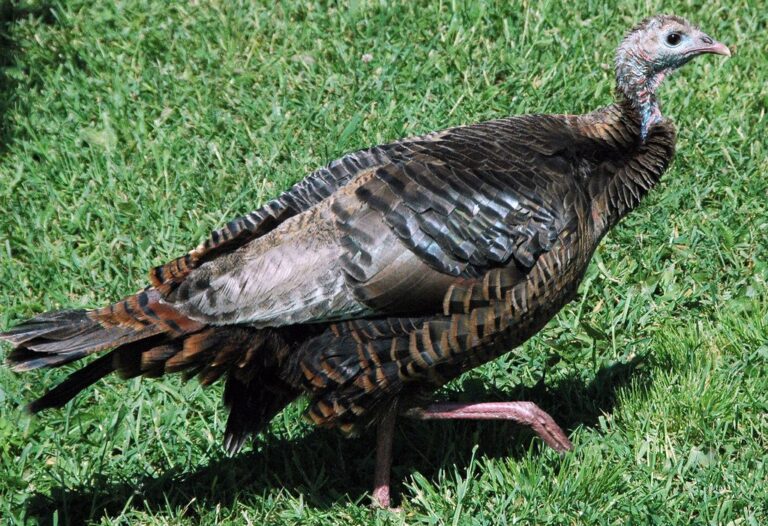
Wild turkey in the grassPhoto: James St. John (CC BY 2.0)
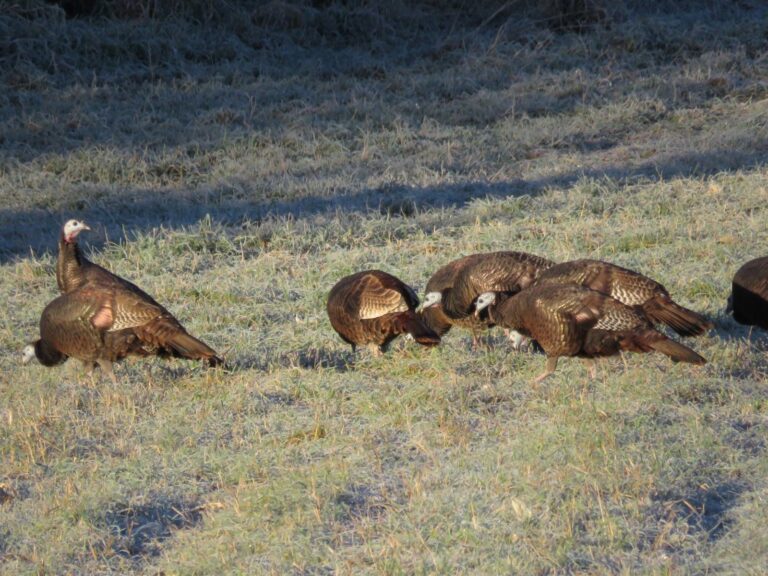
Wild turkeys feeding in a grassy fieldPhoto: U.S. Fish and Wildlife Service – Midwest Region (Public domain)
More Washington hunting pages
Questions hunters ask
Must an elk hunter wear orange?
A minimum of 400 square inches of fluorescent hunter orange and/or fluorescent hunter pink exterior clothing worn above the waist and visible from all sides; a hat alone does not meet the requirement; a combination of both colors may be used. Not required while hunting in a unit limited to muzzleloading or archery with a valid muzzleloader or archery deer or elk tag; required for archers and muzzleloaders in areas that overlap modern firearm deer or elk seasons (including archery hunters in GMUs marked h).
What did WDFW estimate for the 2025 elk harvest?
WDFW estimated 4,783 elk, statewide, in 2025.
Is elk hoof disease a rule?
Western Washington hunters who submit all four hooves from an elk with hoof disease may be entered in a drawing for a special permit incentive.
When does elk season start?
The earliest elk rows start on August 1, 2026 and are Master Hunter rows, while the first general season row opens on September 12, 2026.
How many elk may I take?
One elk per hunter per hunting season (except Master Hunter special permit applicants); no more than 2 elk per license year.
What are the two tag areas?
Eastern Washington has 31 elk rows and western Washington has 18, and an elk tag belongs to one side.
How much is an elk license in Washington?
A resident elk license costs $69.29, a nonresident license costs $685.60 and a deer and elk license costs $116.85 for a resident.
What is a Master Hunter row?
11 rows are open only to Master Hunter permit holders, mainly antlerless hunts in named Elk Areas and GMUs.
What does an Elk Area code mean?
WDFW prints 39 Elk Area records with four-digit codes, and some rows name them instead of GMUs.
Sources: WDFW e-regulations page; 2026 big game pamphlet, PDF page 42; WDFW game harvest reports. Checked: each figure laid beside the WDFW text on November 23, 2026. Source dated October 5, 2026.
Read the pamphlet
Most Washington rules hang on a GMU, a goose area or a side of the Cascades, and where a page here read one it says so and links the pamphlet.
Other photos on this page: USFWS – Pacific Region (Public Domain Mark 1.0); Steve FUNG (CC BY-SA 2.0); U.S. Forest Service- Pacific Northwest Region (Public Domain Mark 1.0); U.S. Forest Service- Pacific Northwest Region (Public Domain Mark 1.0).