Home › Washington › Public land › WDFW wildlife areas › Columbia Basin Wildlife Area
Land listing for 2026-27
Columbia Basin Wildlife Area Washington
What the records call a WDFW wildlife area across 3 counties: 160,100 acres under WDFW.
Updated November 25, 2026 · Source: Washington Department of Fish and Wildlife, Ducks Unlimited and RMEF
Not Columbia Basin Wildlife Area: this picture shows Sandhill cranes standing on a plowed field with a lake behind, Grant County, Washington.
Photo: Greg Schechter (CC BY 2.0)
How to reach Columbia Basin Wildlife Area
Parking, trailheads and gates near Columbia Basin Wildlife Area
- Potholes Reservoir Wildlife AreaParking · 2.2 mi from the centreDirections
- Fidesco-Harris 1 Water Access SiteParking · 2.6 mi from the centreDirections
- Potholes Reservoir Wildlife AreaParking · 2.9 mi from the centreDirections
- Fidesco-Harris 1 Water Access SiteParking · 3.0 mi from the centreDirections
- Desert Wildlife AreaParking · 3.2 mi from the centreDirections
- Desert Wildlife AreaParking · 3.2 mi from the centreDirections
- Potholes Reservoir Wildlife AreaParking · 3.2 mi from the centreDirections
- Desert Wildlife AreaParking · 3.4 mi from the centreDirections
- Desert Wildlife AreaParking · 3.6 mi from the centreDirections
These points are drawn from OpenStreetMap. Gates on public land roads open and close by season; the managing agency can confirm access.
Columbia Basin Wildlife Area in numbers and plain words
160,100 acres in Grant County and 2 other counties make up the Columbia Basin Wildlife Area, Region 2, North Central, a WDFW holding with 11 units.
11 child pages sit beneath it, led by Desert Wildlife Area Unit, Lower Crab Creek Unit, Quincy Lakes Unit and Banks Lake Unit, and every child's ground is already inside the parent's acreage.
No other WDFW wildlife area appears under Grant County in this guide, so Columbia Basin Wildlife Area is alone in its class there. The printed acreage is the figure the source gives, not a survey made for this page.
Nearest base towns from the pin on file: Marine View (6 miles, southeast), Moses Lake (11 miles, northeast) and Royal City (12 miles, southwest), all by straight line.
Counting every kind, Grant County has 15 records on these pages, with 1 WDFW wildlife area, 10 WDFW wildlife area units, 1 DNR state trust land and 1 national wildlife refuge among them.
Nearby
Nearby pages from Columbia Basin Wildlife Area outward
Landscape notes for Columbia Basin Wildlife Area
From the wildlife area page: The Columbia Basin Wildlife Area is located in Grant County and Adams County, and includes approximately 160,100 acres thoughout units spanning the "Big Bend" of the Columbia River. Although managed by WDFW, most of these lands are owned by the US Bureau of Reclamation (BOR) or other federal and state agencies. Many of the wildlife area's units were acquired as mitigation for habitat inundation caused by Columbia River dams.
Look to the Planning Advisory Committee for how WDFW balances hunting with habitat work here.
On the unit pages, the hunting count reads: 11 of 13 units listed: Banks Lake, Beezley Hills, Billy Clapp Lake, Desert, Gloyd Seeps, Lower Crab Creek, Priest Rapids, Quincy Lakes, Seep Lakes, Sprague Lake, Upland Restoration.

California quail perched on a rock among grasses, Grant County, WashingtonPhoto: Greg Schechter (CC BY 2.0)
Unit list for Columbia Basin Wildlife Area
Filter the 11 units by name or county; Grant County has the most with 10.
| Unit | County | Acres | GMU |
|---|---|---|---|
| Sprague Lake Unit | Adams | 711 | 284 |
| Banks Lake Unit | Grant | 17,064 | 254, 272, 248 |
| Beezley Hills Unit | Grant | 9,358 | 269, 272 |
| Billy Clapp Lake Unit | Grant | 4,573 | 272 |
| Desert Wildlife Area Unit | Grant | 62,601 | 278, 290 |
| Gloyd Seeps Unit | Grant | 11,341 | 272 |
| Lower Crab Creek Unit | Grant | 24,809 | 278 |
| Priest Rapids Unit | Grant | 2,739 | 278 |
| Quincy Lakes Unit | Grant | 17,724 | 278, 290, 329 and more |
| Seep Lakes Unit | Grant | 8,807 | 278, 290 |
| Upland Restoration Unit | Grant | 1,437 | 278, 290, 284 and more |
Rules that bind a hunter at Columbia Basin Wildlife Area
Season dates are elsewhere; this band covers entry, equipment and conduct at Columbia Basin Wildlife Area.
| Point | Result | Reference |
|---|---|---|
| Camping | 21 days in 30 | WAC 220-500-100 |
| Campfires | Up to 3 by 3 feet | WAC 220-500-110 |
| Blinds and stands | No nails, wire or staples | WAC 220-500-130 |
| Target shooting | Limited, see rule | WAC 220-500-140 |
| Closures | Posted notices rule | WAC 220-500-040 |
| Pass | Vehicle pass needed | WDFW unit page |
Hunters who camp at Columbia Basin Wildlife Area must move on after 21 days inside 30, unless the department posts something different.
The size cap for a campfire on WDFW land like Columbia Basin Wildlife Area is 3 feet wide and 3 feet tall.
Portable is the safe choice at Columbia Basin Wildlife Area; the rule forbids damaging trees and requires removal of blind and stand materials.
Bring a backstop or use a designated shooting area, because target shooting at Columbia Basin Wildlife Area is restricted, banned along roads, trails and water, and kept 500 feet from structures.
A posted notice outranks everything on this page at Columbia Basin Wildlife Area, since the department can restrict access seasonally, in an emergency or permanently.
A Discover Pass is required at State Parks and DNR-managed lands; annual hunting licenses include a Vehicle Access Pass for WDFW-managed lands. The unit page repeats that a Discover Pass covers water access areas, wildlife areas and campgrounds unless a Vehicle Access Pass came with a hunting or fishing license.
Numbers and sources for Columbia Basin Wildlife Area
| Item | Value |
|---|---|
| Managed by | WDFW |
| WDFW region | Region 2, North Central |
| Acres on file | 160,100 |
| Boundary acres | 170,374 |
| Counties | 3 |
| Child records | 11 |
| Record read | Nov. 23, 2026 |
The size is quoted from WDFW's area page: 160,100 acres.
The map point for Columbia Basin Wildlife Area was placed inside the WDFW polygon for the area, so a pin on the map falls on the ground itself.
The way in to Columbia Basin Wildlife Area
The location on record reads 47.0289 north and 119.4474 west. Open this point in Google Maps
Call 509-765-6641 or write to 6653 Road K NE, Moses Lake, WA 98837 for the wildlife area that holds Columbia Basin Wildlife Area.
The closest WDFW office to Columbia Basin Wildlife Area is in Ephrata at 1550 Alder Street NW, around 22 miles away, phone (509) 754-4624.
| Town | Miles out | Direction | County |
|---|---|---|---|
| Marine View | 6 | Southeast | Grant |
| Moses Lake | 11 | Northeast | Grant |
| Royal City | 12 | Southwest | Grant |
| Moses Lake North | 13 | Northeast | Grant |
Estimates that bear on a hunt at Columbia Basin Wildlife Area
Ducks lead the county table for Grant County, with WDFW estimating 62,468 harvested in 2025 on 30,181 hunter days.
The second-largest line is geese in the late goose season, estimated at 12,662 in 2025.
| Species | Harvest, estimated | Hunters | Year |
|---|---|---|---|
| Pheasants | 4,881 | 1,766 | 2025 |
| Quail | 9,807 | 971 | 2025 |
| Chukar | 1,092 | 157 | 2025 |
| Gray partridge | 602 | 75 | 2025 |
| Ducks | 62,468 | 3,542 | 2025 |
| Late season geese | 12,662 | 1,816 | 2025 |
| September Canada geese | 1,820 | 251 | 2025 |
| Mourning doves | 10,812 | 573 | 2025 |
Paperwork for a bird hunt starts at $55.13 for a resident small game license, or $252.47 if you live out of state.
WDFW small game harvest reports; every figure is an estimate for the year shown; deer, elk, bear and cougar harvest is reported by game management unit, never by county; checked November 23, 2026.
Grant County calendar, every row that reaches it
Western and eastern Washington keep separate pheasant, quail and youth dates, and each region row says so.
The dates cover the county around Columbia Basin Wildlife Area; a row for big game applies only in units that list the county.
| Animal | Hunt type | What to buy | Covers | Begins | Ends |
|---|---|---|---|---|---|
| White-tailed deer | Late archery | Deer license | Touching GMUs | Nov. 20, 2026 | Dec. 8, 2026 |
| White-tailed deer | Late muzzleloader | Deer license | Touching GMUs | Nov. 25, 2026 | Dec. 8, 2026 |
| Mule deer | Late archery | Deer license | Touching GMUs | Nov. 20, 2026 | Dec. 8, 2026 |
| Mule deer | Late muzzleloader | Deer license | Touching GMUs | Nov. 25, 2026 | Dec. 8, 2026 |
| Elk | Late muzzleloader | Elk license | Touching GMUs | Nov. 25, 2026 | Dec. 8, 2026 |
| Elk | Late archery | Elk license | Touching GMUs | Dec. 9, 2026 | Dec. 31, 2026 |
| Elk | Modern firearm | Elk license | Touching GMUs | Dec. 9, 2026 | Dec. 31, 2026 |
| Elk | Late muzzleloader | Elk license | Touching GMUs | Dec. 9, 2026 | Dec. 31, 2026 |
| Cougar | General | Cougar license | Statewide | Sept. 1, 2026 | March 31, 2027 |
| Turkey | Fall | Turkey tag | Touching GMUs | Sept. 1, 2026 | Dec. 31, 2026 |
| Turkey | Spring youth 2027 | Youth rules | Statewide | April 1, 2027 | April 7, 2027 |
| Turkey | Spring 2027 | Turkey tag | Statewide | April 15, 2027 | May 31, 2027 |
| Pheasant | Regular, east | Small game license | Eastern half | Oct. 17, 2026 | Jan. 18, 2027 |
| Chukar | Regular | Small game license | Eastern half | Oct. 3, 2026 | Jan. 31, 2027 |
| Gray partridge | Regular | Small game license | Eastern half | Oct. 3, 2026 | Jan. 18, 2027 |
| Quail and bobwhite | Regular, east | Small game license | Eastern half | Oct. 3, 2026 | Jan. 18, 2027 |
| Forest grouse | Regular | Small game license | Statewide | Sept. 15, 2026 | Jan. 15, 2027 |
| Rabbit and hare | Regular | Small game license | Statewide | Sept. 1, 2026 | March 15, 2027 |
| Crow | Regular | Small game license | Statewide | Sept. 1, 2026 | Dec. 31, 2026 |
| Snipe | Regular | Small game and permits | Statewide | Oct. 28, 2026 | Jan. 31, 2027 |
| Ducks | Regular | Small game and permits | Statewide | Oct. 28, 2026 | Jan. 31, 2027 |
| Ducks | Youth and veterans day | Small game and permits | Statewide | Feb. 6, 2027 | Feb. 6, 2027 |
| Scaup | Regular | Small game and permits | Statewide | Nov. 7, 2026 | Jan. 31, 2027 |
| Coot | Regular | Small game and permits | Statewide | Oct. 28, 2026 | Jan. 31, 2027 |
| Coot | Youth and veterans day | Small game and permits | Statewide | Feb. 6, 2027 | Feb. 6, 2027 |
| Geese | Regular | Small game and permits | Listed areas | Oct. 17, 2026 | Nov. 29, 2026 |
| Geese | White goose closure | Small game and permits | Listed areas | Nov. 30, 2026 | Dec. 22, 2026 |
| Geese | Regular | Small game and permits | Listed areas | Dec. 23, 2026 | Jan. 24, 2027 |
| Geese | Regular | Small game and permits | Listed areas | Jan. 25, 2027 | Jan. 31, 2027 |
| Geese | Youth and veterans day | Small game and permits | Listed areas | Feb. 6, 2027 | Feb. 6, 2027 |
| Geese | Late white goose | Small game and permits | Listed areas | Feb. 20, 2027 | March 10, 2027 |
| Bobcat | Regular | Hunting license | Statewide | Sept. 1, 2026 | March 15, 2027 |
| Raccoon | Regular | Hunting license | Statewide | Sept. 1, 2026 | March 15, 2027 |
| Red and gray fox | Regular | Hunting license | Nearly statewide | Sept. 1, 2026 | March 15, 2027 |
| Coyote | Year-round | Hunting license | Statewide | Jan. 1, 2026 | Dec. 31, 2026 |
From the 2026 big game pamphlet and the WDFW e-regulations seasons (Washington Department of Fish and Wildlife), checked November 23, 2026.
Grant County and 2 other counties around Columbia Basin Wildlife Area
3 counties share Columbia Basin Wildlife Area, and each one has its own guide page with seasons, units and services.
| County | Cascade side | WDFW region | Entries |
|---|---|---|---|
| Grant County | eastern | 2 | 15 |
| Adams County | eastern | 2 | 7 |
| Douglas County | eastern | 2 | 12 |
Columbia Basin Wildlife Area plotted beside nearby areas
Upcoming nearby events
Columbia Basin Wildlife Area has 6 upcoming local listings, from classes to banquets.
| Date | Event | Town |
|---|---|---|
| Feb. 20, 2027 | Dinner and banquet | Ephrata |
| March 8, 2027 | Classroom course | Moses Lake |
| April 10, 2027 | Banquet | Moses Lake |
| April 12, 2027 | Classroom course | Moses Lake |
| May 1, 2027 | Field skills evaluation | Quincy |
| July 6, 2027 | Classroom course | Moses Lake |
Listings read November 23, 2026; times are Pacific.
Stores and meat cutters near Columbia Basin Wildlife Area
Closest listings to Columbia Basin Wildlife Area: 3 sporting goods stores, 2 taxidermists and 1 meat processor.
Backup places near Columbia Basin Wildlife Area
Within about 34 miles of Columbia Basin Wildlife Area, the guide has 8 other places, closest first.
| Record | Kind | Miles | Which way | Acres |
|---|---|---|---|---|
| Columbia National Wildlife Refuge | Wildlife refuge | 10 | Southeast | 53,968 |
| National monument | 23 | South | 163,515 | |
| Thompson Seeps Unit | Wildlife area unit | 26 | South | 1,808 |
| Bailie Wildlife Area Unit | Wildlife area unit | 30 | Southeast | 3,926 |
| Sunnyside-Snake River Wildlife Area | Wildlife area | 30 | Southeast | 21,500 |
| Whiskey Dick Unit | Wildlife area unit | 31 | West | 27,938 |
| LT Murray Wildlife Area | Wildlife area | 32 | West | 118,300 |
| Sagebrush Flat Wildlife Area | Wildlife area | 33 | North | 14,100 |
Nearby ranges
Othello Gun Club comes first, 18 miles from the property point.
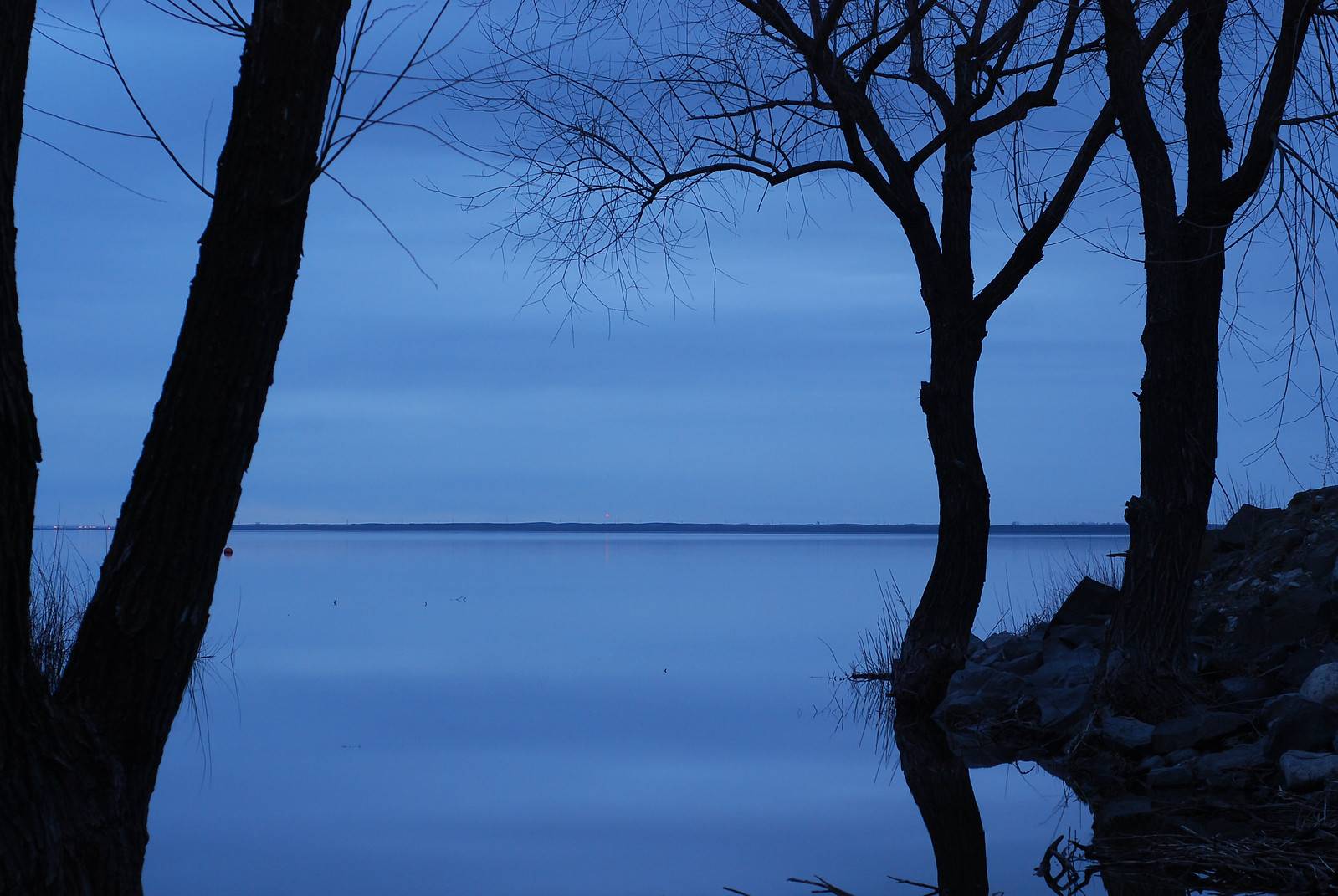
Potholes Reservoir at dusk with bare trees against a blue sky, Grant County, WashingtonPhoto: Steve Voght (CC BY-SA 2.0)

Methow Valley between wooded ridges, Okanogan County, WashingtonPhoto: brewbooks (CC BY-SA 2.0)
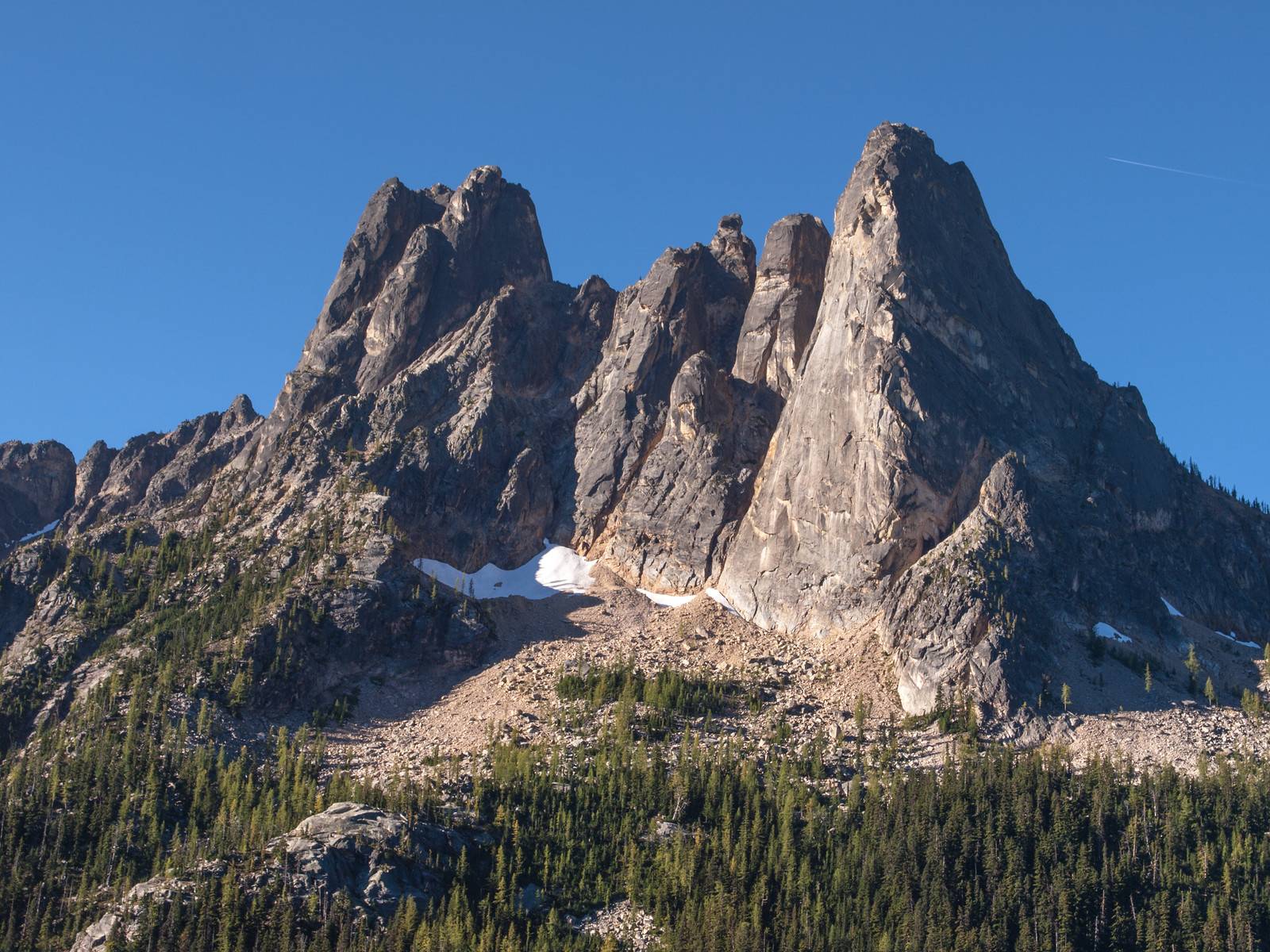
Liberty Bell Mountain and the Early Winters Spires in morning sun, Okanogan County, WashingtonPhoto: Tony Buckley (CC BY 2.0)
Questions before a trip to Columbia Basin Wildlife Area
Will I be allowed to hunt Columbia Basin Wildlife Area?
The record calls Columbia Basin Wildlife Area open to hunting under general rules, and it names no separate entry permit.
Do I need to buy anything besides a license for Columbia Basin Wildlife Area?
The pass question has a simple answer at Columbia Basin Wildlife Area: a hunting license with its Vehicle Access Pass, or else a Discover Pass.
What will the paperwork for Columbia Basin Wildlife Area cost me?
The license year runs April 1, 2026 to March 31, 2027, and the headline fees are $61.70 for resident deer and $55.13 for resident small game.
Is any season running near Columbia Basin Wildlife Area today?
On November 25, 2026, the county table lists White-tailed deer, Mule deer, Elk, Cougar, Turkey and Pheasant with an open window in Grant County; the unit rows say which ones reach the ground at Columbia Basin Wildlife Area.
When does legal shooting light begin and end at Columbia Basin Wildlife Area?
Start half an hour before sunrise; stop half an hour after sunset for big game, or at sunset for turkey and birds. Worked out for the county center on November 25, 2026, big game hours run 6:45 a.m. PT to 4:45 p.m. PT.
What camping and campfire limits apply at Columbia Basin Wildlife Area?
Yes, within limits: 21 days out of 30 per camp, no residence camps, and campfires no bigger than 3 feet across and 3 feet high.
What limits apply to zeroing a rifle at Columbia Basin Wildlife Area?
Zero a rifle at a range when you can; on WDFW land the rule allows it only with a backstop, within sunrise and sunset limits, and away from structures.
What is the GMU for Columbia Basin Wildlife Area?
There is no single GMU for Columbia Basin Wildlife Area in the record; 9 units touch the county, and a boundary map decides.
Where should I base myself for Columbia Basin Wildlife Area?
Straight-line miles put Marine View first at 6 miles; the services band lists 6 businesses nearby.
Which colors must I wear to hunt Columbia Basin Wildlife Area?
Here is the rule as the regulations print it: A minimum of 400 square inches of fluorescent hunter orange and/or fluorescent hunter pink exterior clothing worn above the waist and visible from all sides; a hat alone does not meet the requirement; a combination of both colors may be used. Not required while hunting in a unit limited to muzzleloading or archery with a valid muzzleloader or archery deer or elk tag; required for archers and muzzleloaders in areas that overlap modern firearm deer or elk seasons (including archery hunters in GMUs marked h).
What are the units or parts of Columbia Basin Wildlife Area?
Open the unit pages: 11 are listed, and each one carries its own access notes.
How do I handle the tag after a harvest at Columbia Basin Wildlife Area?
Tag the animal immediately (paper tag: cut out the month and day of kill; electronic: notch in MyWDFW and write the confirmation number and date on durable material attached to the carcass); evidence of sex must stay naturally attached; the tag must stay with the meat until eaten (WAC 220-413-020, 220-413-090).
Where is the office that runs Columbia Basin Wildlife Area?
The managing office is WDFW’s wildlife area office, 6653 Road K NE, Moses Lake, WA 98837, phone 509-765-6641.
The last look at Columbia Basin Wildlife Area
Posted signs at Columbia Basin Wildlife Area have the last word over this page.
Sources: WDFW wildlife area page, WDFW boundary layer and Washington Administrative Code; seasons from the 2026 WDFW big game pamphlet. Checked November 23, 2026.
Other photos on this page: Greg Schechter (CC BY 2.0).